At a Glance
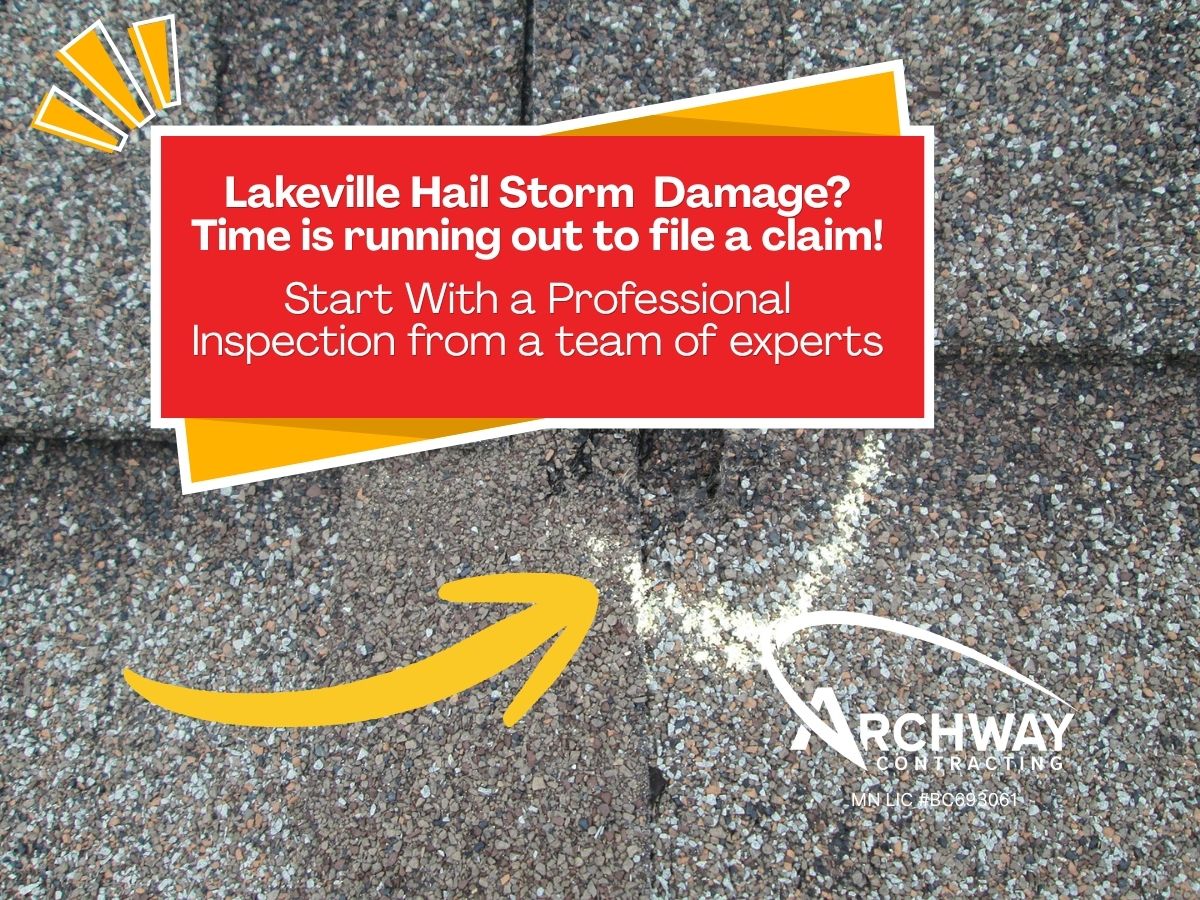
Lakeville, MN had hail activity on July 27, 2025, and roof damage from that storm may not be visible from the ground. Hail can affect shingles, gutters, siding, windows, fascia, soffit, and other exterior components without causing an immediate leak. A
free storm damage inspection helps document visible damage, identify areas that may need repair, and give homeowners clearer information before they speak with their insurance carrier.
Archway Contracting serves Lakeville and the south metro with
roofing,
siding,
windows,
gutters,
decks,
storm damage restoration, and free storm damage inspections.
What Happened in Lakeville on July 27, 2025?
The Lakeville area experienced hail activity on July 27, 2025, including reports of quarter-size hail near Lakeville.
Quarter-size hail may not sound extreme, but it can still damage roofing materials and exterior surfaces depending on the age of the roof, wind speed, storm direction, shingle type, and overall condition of the home before the storm.
After a hailstorm, damage can show up in several ways:
- Bruised shingles
- Granule loss
- Dented gutters
- Dented downspouts
- Damaged siding
- Torn window screens
- Cracked or chipped exterior finishes
- Damage to fascia or soffit
- Loose or lifted shingles
- Water issues that appear later
The tricky part is that a roof does not need to leak immediately to have damage. Hail can weaken shingles now and create problems later.
Why Lakeville Homeowners Should Not Wait Too Long
It is easy to put off a roof inspection when there is no active leak.
But waiting can make things harder.
Storm damage can become more difficult to document as time passes. Seasons change, more weather moves through, and insurance policies may include deadlines for reporting damage. That does not mean every homeowner should rush to file a claim. It means homeowners should understand the condition of their property before time becomes a problem.
If your Lakeville home was affected by the July 27, 2025 storm, a smart next step is to:
- Review your homeowners insurance policy
- Ask about your wind and hail deductible
- Find out how long you have to report storm damage
- Schedule a professional inspection
- Document the current condition of your roof and exterior
- Understand what visible damage exists before contacting your insurance carrier
The goal is to avoid guessing.
This Is Not About Selling You a Roof
A storm damage inspection should give you clarity, not pressure.
Sometimes the answer is simple: your roof looks good.
Sometimes there are small issues to monitor.
Sometimes visible hail or wind damage is found and should be documented.
Any of those answers are useful because they help you make decisions based on what is actually happening on your home.
Archway’s inspection-first approach is built around that idea. Homeowners deserve clear information before they decide what to do next.
During an inspection, the questions are straightforward:
- Was visible damage found?
- Does the damage appear storm-related?
- Is it limited to the roof, or are other exterior areas affected?
- Were gutters, siding, windows, screens, fascia, soffit, or deck surfaces also impacted?
- What exterior repairs may be needed?
- What information should be documented?
- What is the next practical step?
That is the “so what” behind a free storm damage inspection.
It is not just free because everyone says free. It is valuable because it can help you catch damage before it turns into a more expensive repair, an interior leak, or a confusing conversation down the road.
Why Hail Damage Is Hard to See From the Ground
Most people expect storm damage to look obvious.
Sometimes it does. You may see missing shingles, dented gutters, cracked siding, or torn screens.
But hail damage can also be subtle.
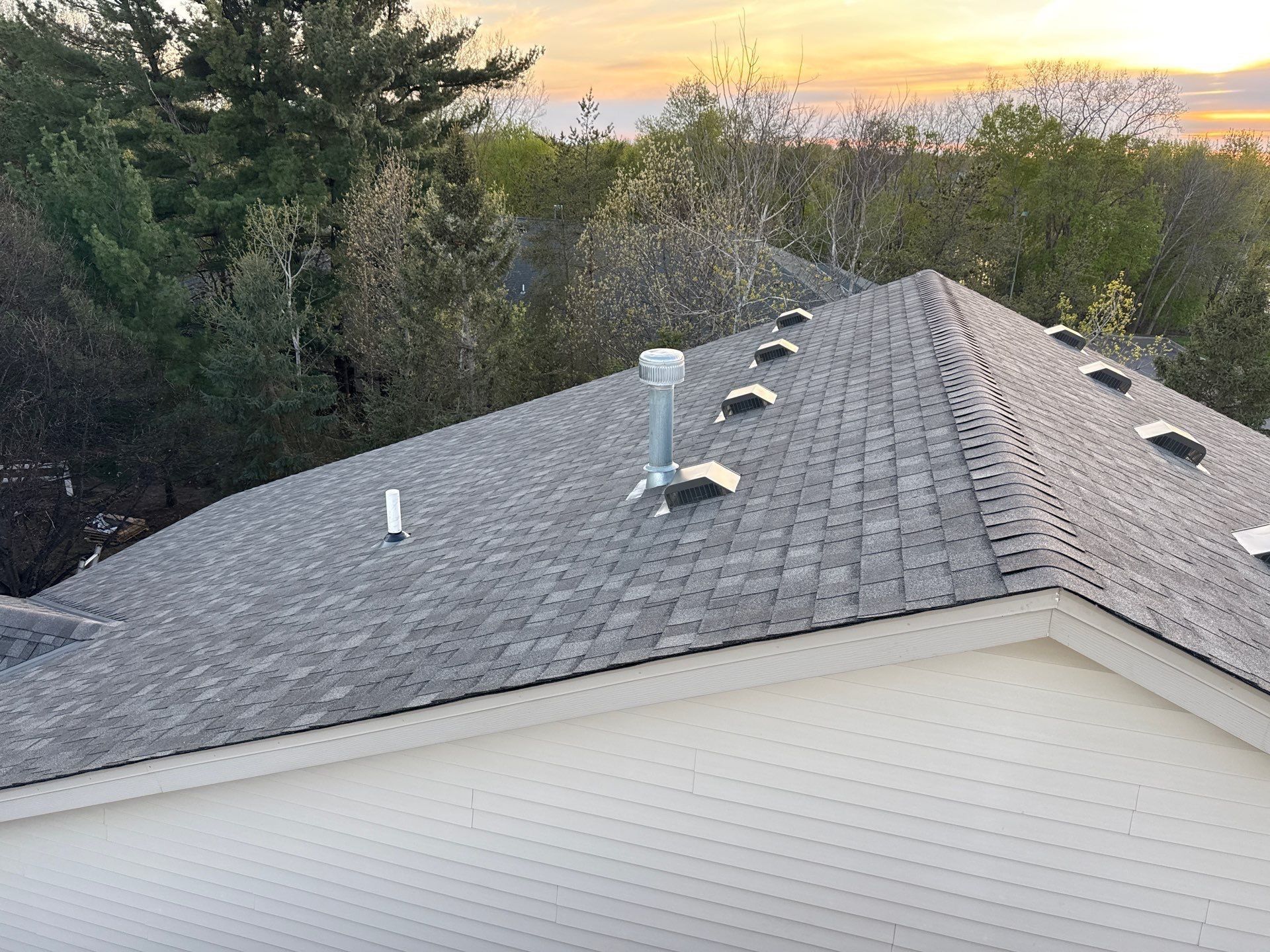
A shingle may be bruised without tearing apart. Granules may be knocked loose. A roof vent may be dented. Flashing or soft metal may show impact marks. Wind may lift shingles without fully removing them.
From the ground, those details are easy to miss.
Signs You Can Safely Check From the Ground
After a hailstorm, walk around your property and look for:
- Dented gutters or downspouts
- Granules collecting near downspouts
- Torn or dented window screens
- Damaged siding
- Dents on garage doors or exterior metal
- Loose shingles or roof debris
- Damage to vents, flashing, or soft metals
- Water stains on ceilings or walls
Do not climb onto your roof. It is safer to have a trained inspector check the roof surface and document what is found.
Why “I Don’t See Anything” Does Not Always Mean “Nothing Happened”
A roof can look normal from the driveway while still having damage on the shingle surface.
- This is especially true when damage is:
- On a slope you cannot see
- Near roof penetrations
- In shaded areas
- On roof vents or soft metals
- Limited to granule loss
- Caused by wind lifting rather than missing shingles
That is why a professional inspection matters after a known hail event. It gives you a clearer answer than a quick glance from the yard.
What Should You Know Before Contacting Your Insurance Carrier?
A professional inspection can help you understand the condition of your home before you contact your insurance carrier.
After visible damage is documented, homeowners can speak with their carrier to ask how their policy applies, what deductible applies, and what next steps are available. A contractor’s role is not to interpret coverage or decide whether you should file a claim.
Archway’s role is to inspect the exterior, document visible damage, explain the storm restoration process, provide scope support for approved repairs, and complete the work.
Important Note About Insurance
Archway Contracting is not a public adjuster and does not interpret, negotiate, or manage insurance claims. Our role is to inspect the exterior, document visible storm-related damage, explain the restoration process, provide scope support for approved repairs, and complete the work. Homeowners remain in control of their insurance claim and should contact their insurance carrier with policy or coverage questions.
What to Review Before You Call
Before contacting your insurance carrier, it helps to understand:
- Your wind and hail deductible
- Whether your deductible is a flat amount or percentage-based
- How long you have to report storm damage
- Whether your roof is covered at Replacement Cost Value or Actual Cash Value
- Whether cosmetic damage exclusions apply
- What documentation your carrier may request
A free storm damage inspection gives you a clearer picture of what visible damage exists so you can have a more informed conversation with your carrier.
Why Documentation Matters
Damage documentation helps show what was inspected and what visible damage was found.
A storm inspection may include photos of:
- Shingles
- Gutters
- Downspouts
- Roof vents
- Siding
- Windows and screens
- Fascia and soffit
- Exterior metal components
- Visible interior water concerns
That information can help you understand the condition of your home before deciding your next step.
Questions to Ask Your Insurance Agent
Your insurance agent or carrier can answer policy-specific questions. Before starting that conversation, consider asking:
Do I have a separate wind and hail deductible?
Some policies have a different deductible for wind and hail damage. It may be a flat amount or a percentage of your insured home value.
How long do I have to report hail damage?
Ask how long you have to report storm damage from the date of loss. Policy timelines can vary, and deadlines matter.
Is my roof covered at Replacement Cost Value or Actual Cash Value?
Replacement Cost Value and Actual Cash Value are not the same.
Replacement Cost Value may help cover replacement at current pricing depending on your policy, deductible, and claim details. Actual Cash Value factors in depreciation, which may increase out-of-pocket cost.
Are cosmetic damage exclusions included in my policy?
Some policies treat cosmetic damage differently, especially for metal components, siding, or roofing materials that are dented but still functioning.
What documentation do I need?
Ask what photos, inspection notes, storm date information, and contractor documentation may be needed if you decide to move forward with your carrier.
Why Minnesota Hail Damage Can Become Expensive
Hail rarely affects only one surface.
A single storm may damage:
- Roofing shingles
- Gutters
- Downspouts
- Siding
- Window screens
- Fascia
- Soffit
- Garage doors
- Deck surfaces
- Exterior trim
That is why a “roof inspection” after hail should often be a full exterior inspection. The roof matters, but so do the gutters, siding, windows, and drainage components that protect the rest of the home.
For commercial properties, multifamily buildings, and HOA communities, hail damage can be even more complicated because one storm may affect multiple buildings, units, or exterior systems at once.
Clear documentation and an organized restoration process matter.
What Archway Looks For During a Storm Damage Inspection
A storm damage inspection should look beyond one obvious roof slope.
Archway’s storm restoration team checks the full exterior when hail or wind may be involved, including:
- Shingle condition
- Granule loss
- Roof vents and soft metals
- Flashing
- Gutters and downspouts
- Siding
- Windows and screens
- Fascia and soffit
- Decks and exterior finishes
- Visible signs of interior water intrusion
- Areas where storm direction may have caused concentrated damage
This helps homeowners understand whether the issue is isolated or part of a larger exterior concern.
Why Work With an Organized Storm Restoration Contractor?
Storm damage work requires more than a ladder and a quick opinion.
A strong contractor should be able to explain:
- What was inspected
- What visible damage was found
- Whether the damage appears storm-related
- What photos or documentation are available
- What areas may need repair or replacement
- What information you may want to discuss with your insurance carrier
- What the restoration process looks like if repairs are approved
That kind of clarity matters, especially when the home has roof, siding, gutter, window, or deck damage.
Archway uses a structured, inspection-first process so homeowners and property owners can make decisions with confidence instead of pressure.
Storm Damage Services for Lakeville and the South Metro
Archway provides exterior restoration services for homeowners, commercial properties, multifamily buildings, and HOA communities in Lakeville and surrounding Minnesota markets.
Services include:
- Roofing
- Siding
- Windows
- Gutters
- Decks
- Storm damage restoration
- Free storm damage inspections
If your Lakeville home was affected by the July 27, 2025 hailstorm, our team can inspect the roof and exterior, explain what we find, and help you understand the next practical step.
Schedule Your Free Storm Damage Inspection
If your Lakeville home was affected by the July 27, 2025 hailstorm, do not wait until a leak or interior damage forces the issue.
A free storm damage inspection gives you answers.
Archway can inspect your roof, siding, windows, gutters, decks, and exterior components so you understand what visible damage exists, what may need attention, and what information you may want to discuss with your insurance carrier.
Schedule your
free storm damage inspection today.