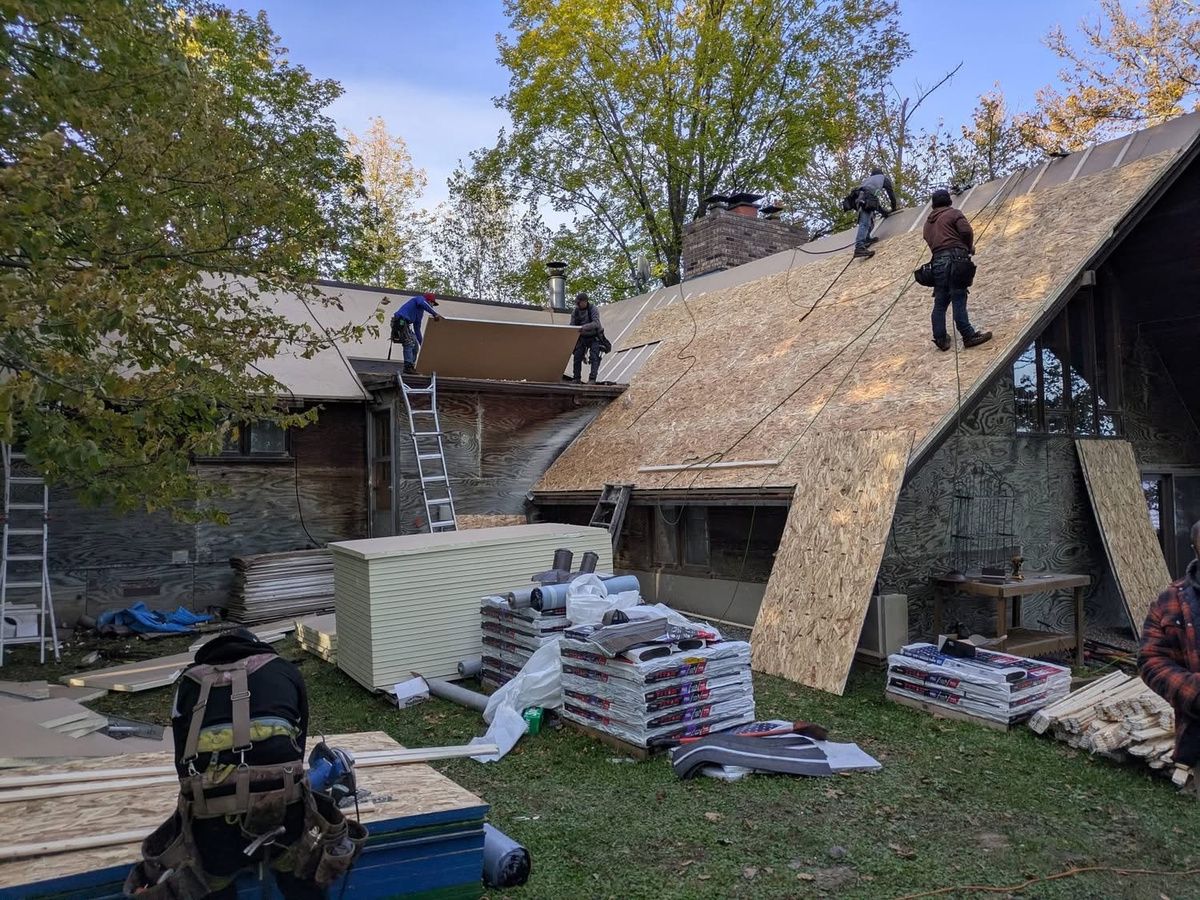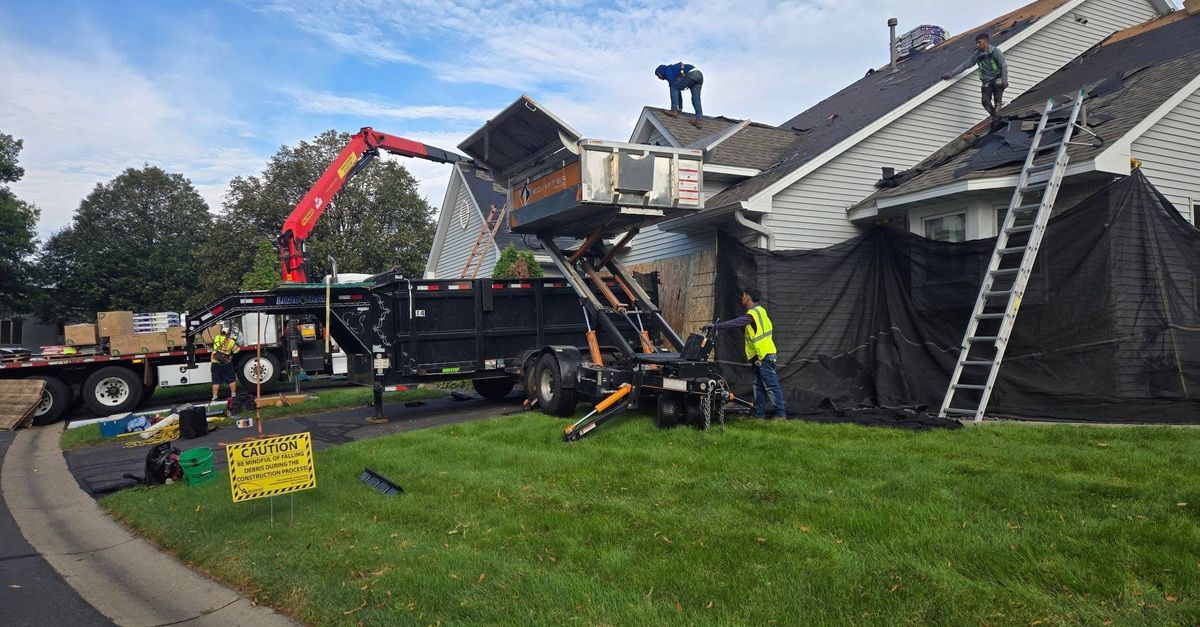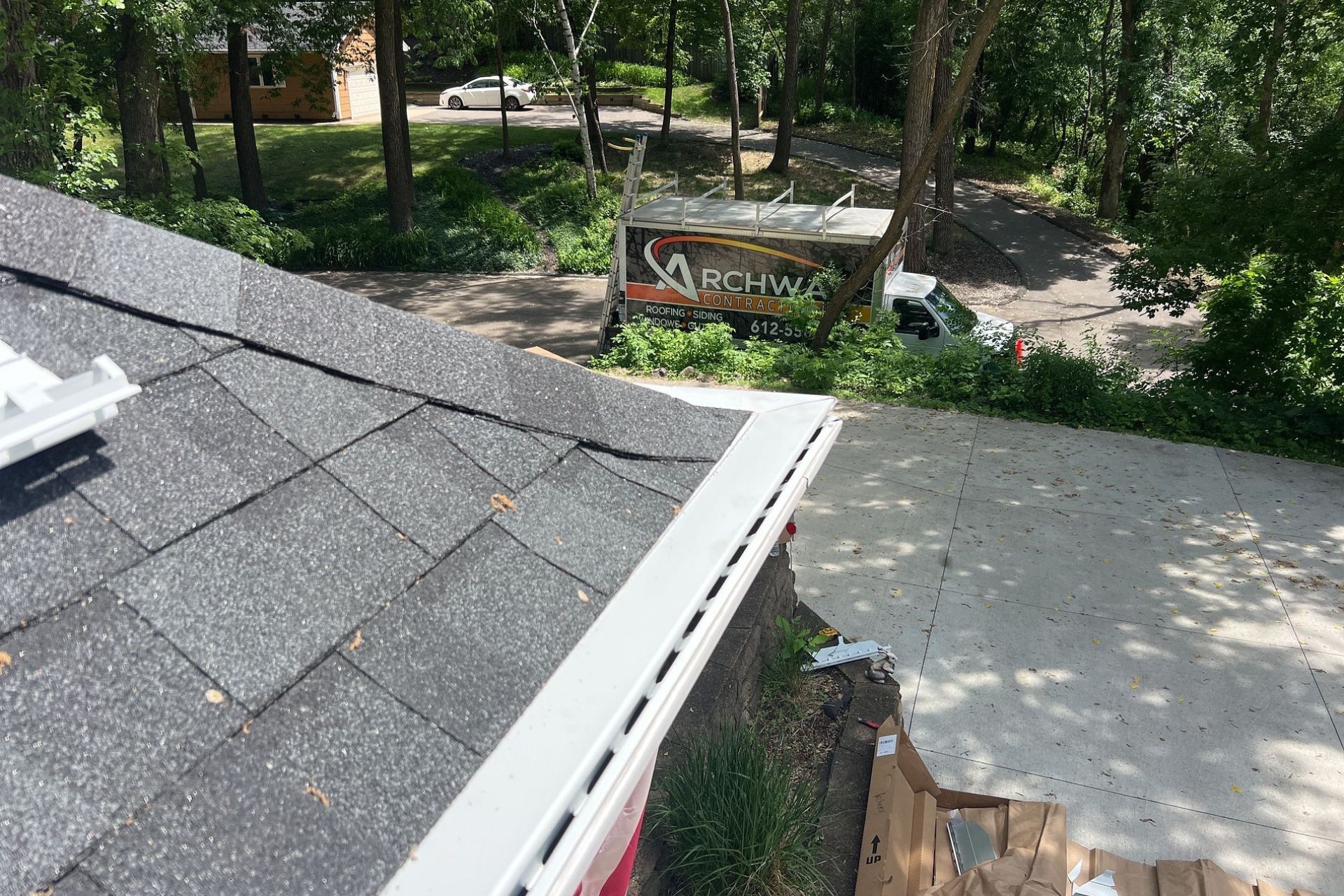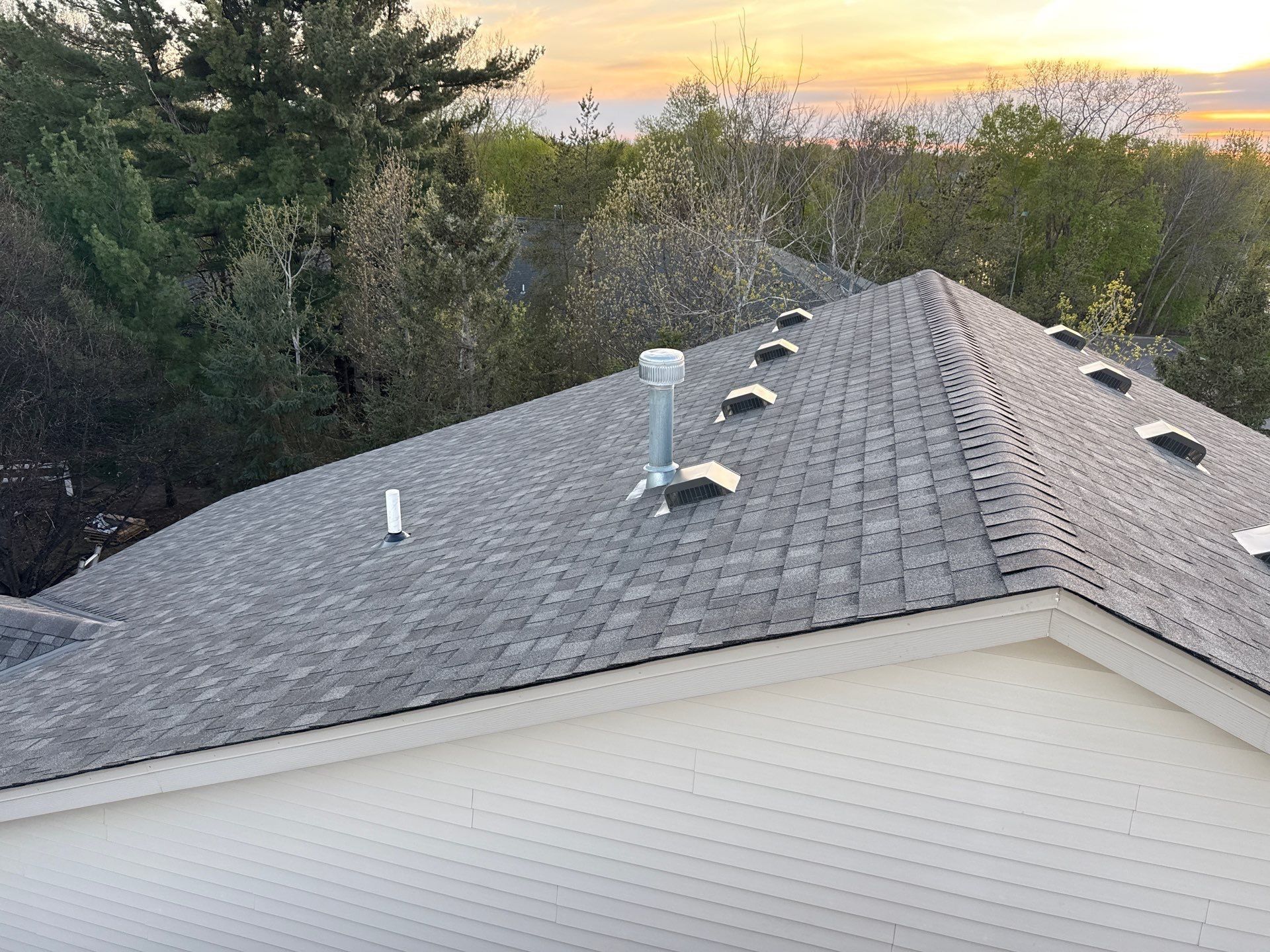



What to Do After Hail or High Winds Hit Your Home

Share this article

Minnesota storms can move through in minutes and still leave your home dealing with the aftermath for weeks. Hail dents shingles and gutters, high winds lift roofing and tear at siding, and heavy rain finds every weak point. If a storm just rolled through, you're probably wondering what you actually need to do next, and in what order.


This guide walks you through it step by step: how to stay safe, what to document, how to spot visible storm damage, and when to schedule a professional inspection. Work through it in order, and you'll be in a strong position no matter how severe the damage turns out to be.


First, Make Sure Everyone Is Safe

Before you inspect anything, confirm that people come first. Stay inside until the storm has fully passed and any severe-weather warnings have expired. Watch for downed power lines, and never touch or approach one, treat every downed line as live and call your utility. Be careful of standing water, broken glass, and debris around the property. If you smell gas or suspect a structural issue, leave the home and call the appropriate emergency service before doing anything else.


No amount of damage documentation is worth a risk to your safety. Everything below can wait until you're sure the situation is stable.


What to Do in the First 24 to 48 Hours After a Storm

The first day or two is when a little organized effort pays off the most. Here's what matters, in order.

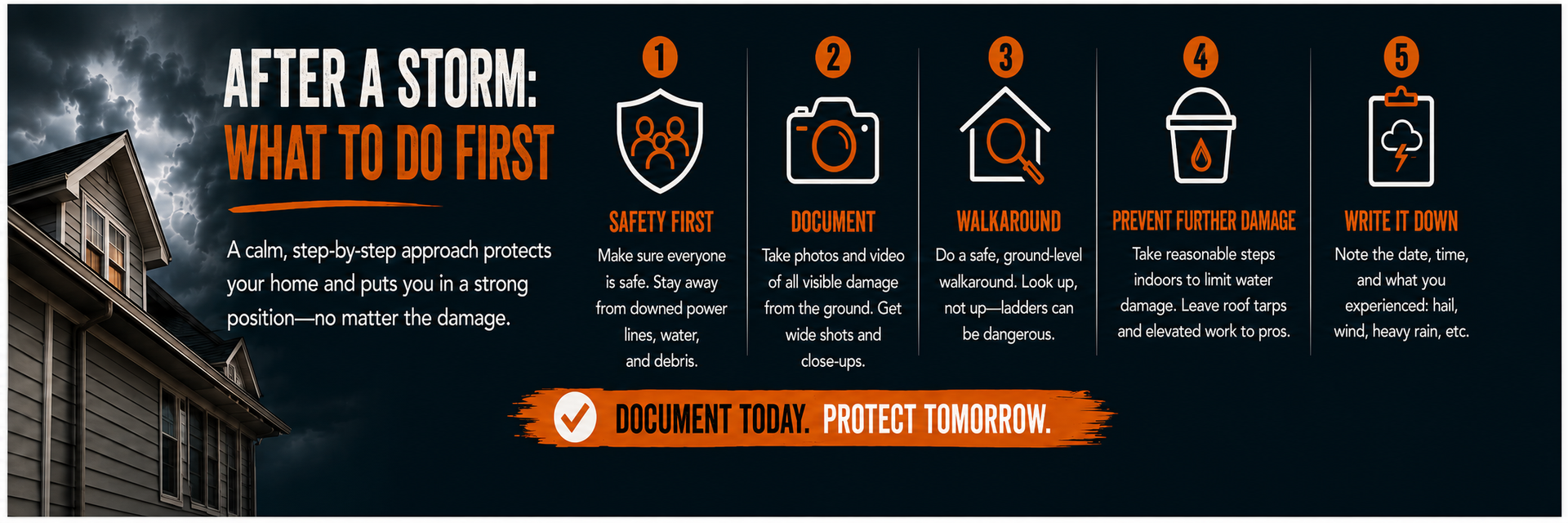
After a Storm: What to Do First

Document what you can see

Take clear photos and video of anything that looks damaged, from the ground and from a safe vantage point. Capture the whole house as well as close-ups: dented gutters, shingle debris in the yard, dinged siding, cracked windows, fallen branches. Note the date and time. Good documentation right after the event creates a clear record of the storm's impact while everything is fresh.


Do a safe, ground-level walkaround

Walk the perimeter of your home and look up, not up on a ladder. Storm damage is often visible from the ground if you know where to look, and we cover exactly what to look for in the next section. Stay off the roof entirely; wet or hail-damaged roofing is dangerous, and a professional inspection will cover it safely.


Prevent further damage where it's safe to do so

If water is actively getting in, reasonable temporary measures can limit additional damage, moving belongings away from a leak, placing a bucket, or covering a broken window from the inside. Only do what you can do safely from the ground or indoors. Leave tarping a roof or any elevated work to professionals with the right equipment.


Write down the storm details

Jot down the date, the approximate time, and what you experienced, hail (and roughly what size), wind, heavy rain, or a combination. These details are useful later when you're describing the event, and they help a contractor understand what to look for during an inspection.


How to Spot Visible Storm Damage on Your Home

You don't need to be an expert to notice the common signs. Here's what visible hail and wind damage tends to look like on each part of your exterior. For a deeper visual breakdown, see our guide on what hail damage looks like on roofs.

Know the Signs: Visible Storm Damage

Roof

From the ground, look for shingles that are missing, lifted, curled, or lying in the yard. Hail can knock the protective granules off shingles, so also check for granule buildup in your gutters and at the bottom of downspouts, an early sign of impact or wear. Bruised or pockmarked shingles are common after hail but are usually confirmed up close during an inspection.


Siding

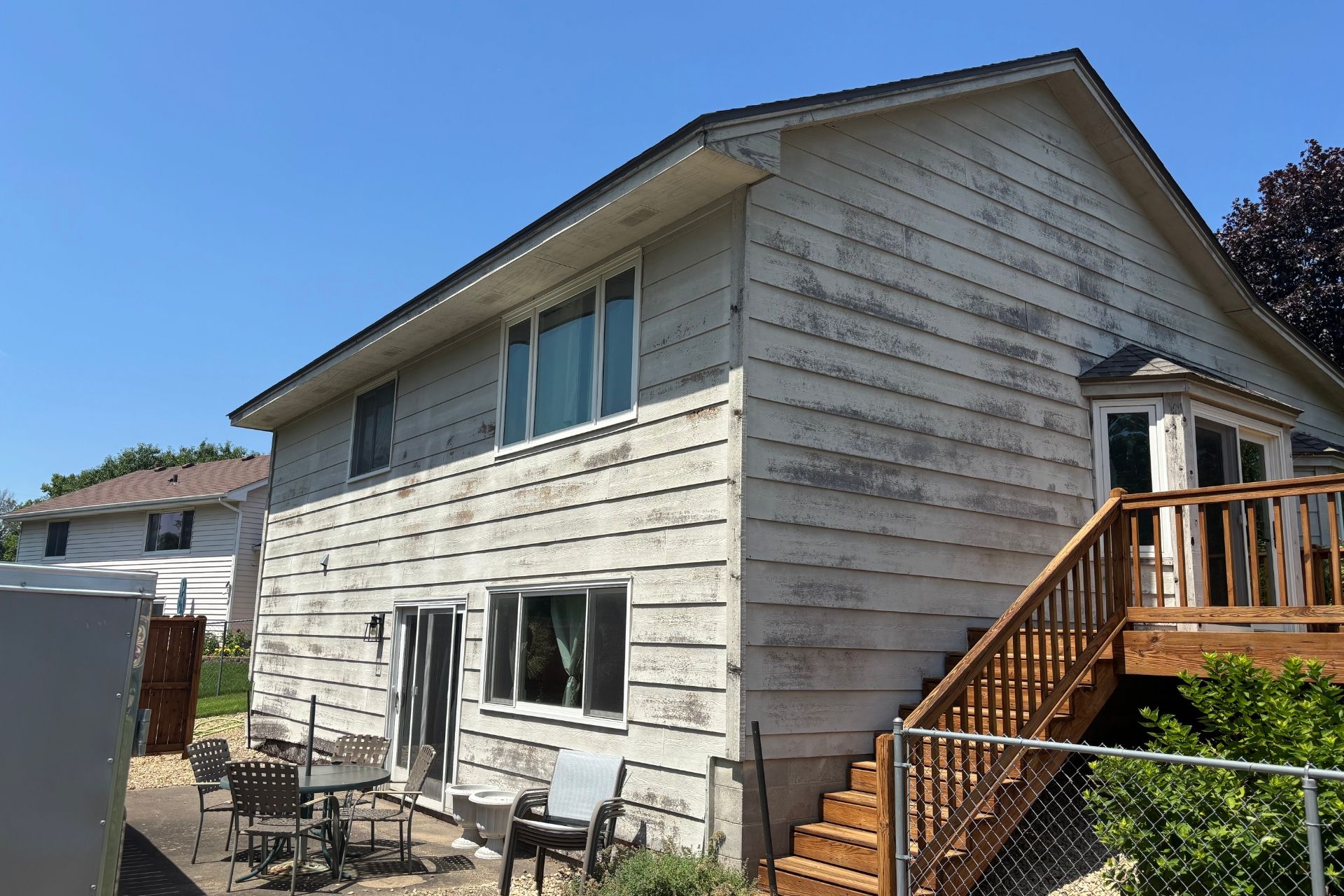
Check for cracks, dents, holes, or chipped areas, especially on the sides of the house that faced the storm. Wind can loosen or detach siding panels, and hail can leave dimples or splits that let moisture behind the panel over time.


Gutters and downspouts

Look for dents, dings, and sagging sections. Gutters are often one of the most visible places hail leaves a mark, and clogged or damaged gutters can lead to bigger water problems for your roofline, siding, and foundation if left alone.


Windows and other components

Inspect for cracked or broken glass, damaged screens, and dented frames or trim. Don't forget items like vents, flashing, and fascia, which can be knocked loose by strong winds.


When to Schedule a Professional Storm Damage Inspection

If you see any visible damage, or if a significant hail or wind event hit your area even without obvious signs, it's worth having a professional take a closer look. Storm damage isn't always visible from the ground, and catching it early helps prevent a small issue from becoming a larger one over Minnesota's freeze-thaw seasons.


A professional storm damage inspection covers the areas you can't safely reach and documents what is observed across your roof, siding, gutters, windows, and other exterior systems. Archway Contracting provides free storm damage inspections across Ham Lake, Blaine, Andover, and the Twin Cities, giving you a clear picture of any visible damage and honest repair recommendations, so you can decide on next steps with real information rather than guesswork.

What's Next: Take Steps to Protect Your Home

Understanding Your Next Steps After Storm Damage

Once you know what damage exists, you can plan the path forward. Many Minnesota homeowners review their homeowners insurance policy after a significant storm to understand what their coverage includes, and you can always contact your own insurance provider directly with questions about your policy. Keeping the documentation you gathered, your photos, dates, and notes, organized makes that process smoother.


Archway's role is straightforward: we inspect the exterior, document the visible damage we observe, and provide repair recommendations. From there, you're in control of how you'd like to proceed. Our focus is on doing the exterior work correctly and helping you protect your home, not on interpreting your coverage.


Minnesota Storm Considerations

Minnesota sits in a part of the country that sees frequent severe weather, and our summers regularly bring hail and high winds capable of damaging exteriors. What makes storm damage especially worth addressing here is what comes after: our long freeze-thaw season. Moisture that sneaks in through a hail-cracked shingle or a wind-loosened siding panel can freeze, expand, and worsen with every cold snap. Damage that looks minor in July can become a real problem by February.


That's also why timing matters. Reputable local crews book up quickly after a major storm rolls through a region, so scheduling an inspection sooner rather than later helps you get on the calendar and address issues before the next round of weather, or the next season, arrives.

Frequently Asked Questions about what to do after a storm

  • What should I do first after a hailstorm?

    Make sure everyone is safe and stay clear of downed power lines and debris. Once it's safe, document any visible damage with photos and video, do a ground-level walkaround, take reasonable steps to prevent further damage indoors, and write down the storm's date and details.

  • How can I tell if my roof has hail damage?

    From the ground, look for missing, lifted, or curled shingles, shingle debris in the yard, and granule buildup in your gutters and downspouts. Bruised shingles are common but are usually confirmed up close, so a professional inspection is the reliable way to know.

  • Is storm damage always visible from the ground?

    No. Some hail and wind damage isn't obvious from below, which is why a professional inspection is worthwhile after a significant storm even if you don't see clear signs. Catching hidden damage early helps prevent bigger problems later.

  • How soon should I schedule a storm damage inspection?

    Sooner is better. Local crews fill up fast after major storms, and addressing damage before Minnesota's freeze-thaw season can keep a small issue from growing. If you see visible damage or a strong storm hit your area, it's worth scheduling promptly.


  • Does Archway Contracting handle my insurance claim?

    No. Archway inspects your exterior, documents the visible damage observed, and provides repair recommendations. Questions about your policy or coverage are best directed to your own insurance provider.

In Summary

After hail or high winds, a calm, orderly response makes all the difference: stay safe first, document what you can see, look for the common signs of damage, and bring in a professional to check what you can't safely reach. Given Minnesota's weather and our demanding freeze-thaw winters, addressing storm damage early is one of the best ways to protect your home.


Schedule Your Free Storm Damage Inspection

If a storm hit your home, Archway Contracting can inspect your roof, siding, gutters, windows, and exterior for visible storm damage, then give you clear, honest repair recommendations. We're a local team serving Ham Lake, Blaine, Andover, and the Twin Cities, here long after the storm has passed.


Schedule a free storm damage inspection and get clear answers about your home.

Recent Posts

Common problems homeowners face when coordinating multiple exterior contractors.
July 17, 2026
Should you hire one exterior contractor or manage roofers, siders, and gutter crews yourself? Here's how Minnesota homeowners decide when to call one team.
Archway Contracting repairing a Minnesota roof after exterior storm damage
June 29, 2026
Learn how to spot fake contractor listings, verify a Minnesota contractor, and avoid roofing, siding, gutter, and storm damage scams.
Hail Marks and Inspection Marks After Hail Storm
June 20, 2026
Learn what hail damage can look like on roofing, siding, gutters, windows, and exterior materials after a Minnesota storm.
Seamless gutter installation on Minnesota home by Archway Contracting
June 18, 2026
Do you need new gutters? Learn signs of gutter failure, repair vs replacement, pricing factors, and when to schedule an estimate.
Storm Damage to a Roof in Lakeville, MN from 2025 Hail Storm
June 9, 2026
Lakeville had hail on July 27, 2025. Learn what roof damage to look for, when to inspect, and what to ask insurance.
Minnesota homeowner comparing roof shingle colors and performance options with Archway Contracting
May 29, 2026
Choosing roof shingles? Learn how to compare style, cost, durability, warranties, and storm performance for Minnesota homes.
Compare roofing quotes and always schedule a free inspection with Archway Contracting
May 20, 2026
A cheap roofing quote can cost more later. Learn what low bids may leave out and how to compare roofing estimates in Minnesota.
May 18, 2026
When severe weather moves through southern Minnesota, homeowners and property owners are left asking the same question: “Who should I call if my roof, siding, windows, gutters, or exterior were damaged?” That question matters because storm damage is not always obvious from the ground. Hail can bruise shingles, dent gutters, crack siding, damage window screens, and create issues that may not show up as leaks until months later. With storms currently impacting southern Minnesota and areas around Mankato, Saint James, Fairmont, New Ulm, Saint Peter, Blue Earth, and surrounding communities, now is the time to know who can inspect the damage, document what happened, and help you take the next step with confidence. This guide breaks down storm restoration companies serving the Mankato area, what to look for before hiring a contractor , and how to protect your home, business, multifamily property, or HOA community after hail and wind damage. Recent local weather reporting has continued to highlight severe weather risks in southern Minnesota, including damaging winds, large hail, and tornado potential. The National Weather Service forecast for Blue Earth County also noted severe thunderstorms with damaging winds, large hail, tornadoes, and locally heavy rainfall as possible threats. How We Evaluated Storm Restoration Companies Serving Mankato This list is designed to help homeowners, business owners, property managers, and HOA decision-makers compare storm restoration contractors in a practical way. We looked at: Roofing and storm damage services Service area relevance to Mankato and southern Minnesota Ability to help with roof, siding, gutter, window, and exterior damage Experience with insurance-related storm restoration Residential, commercial, multifamily, or larger-property capabilities Clear communication and project process This is not a paid ranking. The goal is to help people searching for “storm damage contractor near me,” “roof inspection near me,” “hail damage roof repair Mankato,” or “best roofing company after hailstorm” understand their options. Top 5 Storm Restoration Experts Serving Mankato and Southern Minnesota 1. Archway Contracting Best for: Homeowners, businesses, multifamily properties, and HOA communities looking for an organized, full-service storm restoration contractor. Archway Contracting is located in Ham Lake, MN and serves homeowners and property owners across Minnesota, including the Twin Cities, south metro , southern Minnesota, and Western Wisconsin. Archway provides storm damage restoration for roofing, siding, windows, gutters, decks, and exterior systems. Archway is a strong fit for property owners who want a contractor that can look beyond the roof and assess the full exterior after a storm. Hail and wind often affect more than shingles. Gutters, siding, windows, fascia, soffit, and decks may also need inspection and documentation. Archway is especially helpful for: Residential storm damage inspections Commercial storm restoration Multifamily and HOA exterior damage Roofing, siding, windows, gutters, decks, and storm damage Free insurance inspections when storm damage may be involved Property owners who want a structured process from inspection to completion Archway’s storm damage page highlights restoration services for homeowners, commercial properties, and multifamily properties, including roof, siding, and gutter repair following storm damage. 2. Heyn Brothers Roofing Best for: Local Mankato-area roof repair, roof replacement, and storm damage restoration. Heyn Brothers Roofing is a Mankato-based roofing company that provides roof repairs, replacements, and storm damage restoration for homeowners and businesses across southwest Minnesota. Their Mankato service area page references roof repairs, roof replacements, and storm damage restoration, with service extending across communities such as Mankato, Marshall, Fairmont, New Ulm, and other southwest Minnesota areas. Homeowners may consider Heyn Brothers when looking for a local roofing company with an established Mankato presence and storm restoration experience. 3. Schmidt Brothers Roofing Best for: Asphalt shingle roof replacement and storm-related roofing projects across Mankato, southern Minnesota, and the Twin Cities. Schmidt Brothers Roofing is a roofing contractor serving Mankato, southern Minnesota, and the Twin Cities. Their services include residential roofing, commercial roofing, roof replacement, and inspection requests, with a strong focus on asphalt shingle roofs. Schmidt Brothers Roofing has bene in business for more than 10 years and serve areas from Mankato to the Twin Cities, with project examples across communities including Mankato, North Mankato, St. Peter, Fairmont, New Ulm, Owatonna, Prior Lake, Savage, Maple Grove, and surrounding areas. Homeowners may consider Schmidt Brothers Roofing when looking for a contractor with a clear focus on asphalt shingle roof replacement, storm-related roof work, and service coverage throughout southern Minnesota. Customer reviews frequently mention hail damage projects, insurance questions, cleanup, communication, and fast completion timelines. 4. Frontline Roofing & Restoration Best for: Roofing and exterior storm damage repair with insurance claims support. Frontline Roofing & Restoration serves the Mankato area with roofing and exterior services. Their Mankato page specifically references storm damage repair, high winds, hail, roof damage, siding damage, and working with businesses and homeowners through the insurance claims process. Homeowners and business owners may consider Frontline when looking for a storm restoration contractor that focuses on both repairs and insurance-related project support. 5. Stronghouse Best for: Roofing, siding, storm restoration, windows, and gutters in Mankato. Stronghouse serves Mankato with roofing, siding, storm restoration, windows, and gutter services. Their service area page notes that Mankato homes face Minnesota’s changing seasons, including summer storms and winter snow, and positions their services around long-lasting exterior protection. Homeowners may consider Stronghouse when comparing contractors that offer multiple exterior services beyond roofing. What to Do First After a Hailstorm in Mankato After a storm, the first step is not to climb on your roof. Start from the ground and look for signs of damage: Dented gutters or downspouts Missing, lifted, or creased shingles Granules near downspouts Cracked or chipped siding Damaged window screens or trim Dents on garage doors or metal fascia Debris around the property Water stains inside the home or building If anything looks off, schedule a professional storm damage inspection . Storm damage can be hard to identify without a trained eye, especially when hail bruises shingles or wind lifts shingles without tearing them off. Why Minnesota Hail Claims Are So Expensive Minnesota hail claims have become more expensive because a single storm can damage multiple exterior systems at once. A hailstorm may affect: Roofing shingles Siding Gutters and downspouts Windows and screens Garage doors Fascia and soffit Decking and exterior finishes Information provided for this storm-insurance content notes that the average hail claim in Minnesota has nearly doubled over the past decade and now runs close to $30,000. It also notes that major storms in 2022 and 2023 contributed billions of dollars in insured losses across the state. For homeowners, commercial properties, multifamily buildings, and HOA communities, this is why documentation matters. If damage is widespread, the project may involve more than a roof repair. It may require a full exterior restoration plan. The Deductible Most Homeowners Don’t Know They Have A lot homeowners assume they have one standard deductible for all claims. After a hailstorm, some are surprised to learn that their policy includes a separate wind and hail deductible. What Is a Wind and Hail Deductible? A wind and hail deductible may be a flat amount or a percentage of the home’s insured value. For example: A 1% deductible on a $400,000 home is $4,000 A 2% deductible on a $400,000 home is $8,000 A 2% deductible on a $500,000 home is $10,000 This matters because filing a claim may not make sense if the damage amount is below your deductible. Before storm season, ask your insurance agent : Do I have a separate wind and hail deductible? Is it a flat amount or a percentage? Is my roof covered at Replacement Cost Value or Actual Cash Value? Are there cosmetic damage exclusions? How long do I have to file a hail or wind claim? Should You File a Claim After a Hailstorm? Not every hailstorm means you should file an insurance claim right away. A better first step is to get the property inspected and documented so you can know whether there is damage, identify hail damage , and determine how significant it is. When It May Make Sense to File a Claim A storm damage claim may make sense if: A professional inspection confirms hail or wind damage The damage affects roof performance Siding, gutters, windows, or exterior components were also damaged The estimated repair or replacement cost exceeds your deductible The damage can be tied to a specific storm event When It May Not Make Sense to File a Claim It may not make sense to file if: Damage is minor Repairs are below your deductible The issue is normal age or wear There is no confirmed storm damage Archway Contracting recommends starting with a free insurance inspection when storm damage may be involved. That gives you information before you decide whether to contact your insurance company. Why an Organized Storm Restoration Process Matters Storm restoration is not just about replacing shingles. It requires inspection, photos, documentation, communication, scheduling, materials, insurance coordination, and follow-through. This matters even more for: Commercial buildings Multifamily properties HOA communities Large residential projects Properties with roof, siding, gutter, and window damage An organized contractor should be able to explain: What damage was found What areas were inspected What may need repair or replacement What documentation is available What the next step should be Who will manage the project from start to finish That kind of structure helps property owners feel confident instead of overwhelmed. Storm Damage Services Archway Provides in Southern Minnesota Archway Contracting provides full exterior storm restoration services for residential, commercial, multifamily, and HOA properties. Services include: Roofing Roof repair and roof replacement Siding repair and replacement Window damage assessment and replacement Gutters and downspouts Deck repair and exterior restoration Free insurance inspections when storm damage may be involved Archway is located in Ham Lake and serves communities across Minnesota, including the south metro and southern Minnesota areas such as Lakeville, Prior Lake, Shakopee, Eagan, Owatonna, Faribault, Northfield, Mankato, Saint Peter, New Ulm, Saint James, Fairmont, Blue Earth, and surrounding communities. Summary The top storm restoration experts serving Mankato and southern Minnesota include contractors that provide roof inspections, roof repair, roof replacement, siding repair, gutter repair, window damage assessment, and insurance-related storm restoration. After hail or wind damage, homeowners should start with a professional inspection before filing a claim. Minnesota hail claims can be expensive because storms often damage multiple exterior systems at once. Archway Contracting is located in Ham Lake and serves southern Minnesota with roofing, siding, windows, gutters, decks, storm damage restoration, and free insurance inspections when storm damage may be involved.
May 15, 2026
Spring storm season in Minnesota can move fast. One week the snow is melting, and the next week homeowners are dealing with hail, high winds, damaged shingles, dented gutters, loose siding, and questions about insurance coverage. If you own a home, business, multifamily property, or HOA-managed building in Ham Lake, Blaine, Andover, Maple Grove, Lakeville, Prior Lake, Shakopee, Eagan, Owatonna, Faribault, or Western Wisconsin, now is the time to review your insurance policy before you need to use it. Archway Contracting cares about your home like it is our own. If we were reviewing our own policy before storm season, these are the questions we would ask our insurance agent. The goal is simple: understand your coverage now, so you are not surprised after a hailstorm. Why Spring Storm Prep Matters in Minnesota Minnesota homes take a beating from weather. Spring and summer storms can bring hail, straight-line winds, heavy rain, and flying debris. Even when damage is not obvious from the ground, your roof, siding, gutters, windows, and other exterior components may still be affected. Many homeowners wait until they see a leak or missing shingles before taking action. The problem is that hail and wind damage can be subtle at first. By the time water shows up inside, the damage may be more expensive and harder to connect back to the original storm. That is why storm preparation should include two things: Reviewing your homeowners insurance policy Knowing who to call for a professional inspection after severe weather Why Minnesota Hail Claims Are So Expensive Hail claims are one of the biggest reasons homeowners insurance costs have increased in Minnesota. According to information provided for this blog, the average hail claim in Minnesota has nearly doubled over the past decade and now runs close to $30,000. The same source notes that major storms in 2022 and 2023 contributed billions of dollars in insured property losses across the state. That matters because insurance companies adjust rates, deductibles, and coverage based on risk. For homeowners, that can show up as: Higher premiums Higher wind and hail deductibles More detailed roof coverage rules Replacement Cost Value changes Actual Cash Value coverage on older roofs More scrutiny during the claims process In simple terms, hail damage is expensive because it often affects more than one part of the home. A single storm can damage roofing, siding, windows, gutters, fascia, soffit, decks, screens, and exterior trim. For commercial, multifamily, and HOA properties, the cost can be even higher because one storm may affect multiple buildings or units at once. The Deductible Most Homeowners Don’t Know They Have One of the biggest surprises homeowners face after a storm is learning they have a separate wind and hail deductible. People assume their deductible is a flat amount, such as $1,000 or $2,500. But some policies now include a percentage-based deductible for wind and hail damage. What Is a Percentage-Based Wind and Hail Deductible? A percentage-based deductible is usually based on your home’s insured value. For example: A 1% deductible on a $400,000 home = $4,000 A 2% deductible on a $400,000 home = $8,000 A 2% deductible on a $500,000 home = $10,000 That means you may be responsible for thousands of dollars before insurance pays anything toward the claim. This is why it is so important to ask your insurance agent about your deductible before storm season begins. Questions to Ask Your Insurance Agent Before Spring Storm Season You do not need to become an insurance expert. But you do need to understand the parts of your policy that affect storm damage. Here are the questions we would ask. 1. Do I have a separate wind and hail deductible? Ask your agent: “What is my deductible for wind and hail damage?” Then ask whether it is a flat dollar amount or a percentage of your home’s insured value. This is one of the most important questions because it helps you understand whether filing a claim would make financial sense after a storm. 2. Is my roof covered at Replacement Cost Value or Actual Cash Value? Ask: “Is my roof covered at Replacement Cost Value or Actual Cash Value?” Replacement Cost Value, often called RCV, generally means your policy may help pay to replace damaged materials at today’s cost, depending on your coverage and claim details. Actual Cash Value, often called ACV, factors in depreciation. That means an older roof may be valued lower because of age, even if it needs to be replaced. This can create a major out-of-pocket difference. 3. Does my policy have cosmetic damage exclusions? Ask: “Does my policy exclude cosmetic damage to roofing, siding, gutters, windows, or metal components?” Policies may treat visible damage differently if the material still technically functions. This can matter with dented gutters, metal roofing components, siding marks, or exterior finishes. You want to know this before you have damage. 4. How long do I have to file a hail or wind claim? Ask: “How long do I have to file a storm damage claim after the date of loss?” Homeowners assume they have plenty of time, but claim deadlines can be shorter than expected. The source information provided for this blog notes that Minnesota insurers may limit hail claims to a one-year window from the date of the storm. Do not wait until you see a leak months later. If your area was hit by hail or strong winds, get your property inspected and document the condition. 5. What documentation do I need if I file a storm damage claim? Ask: “What kind of photos, inspection notes, or contractor documentation should I have if storm damage happens?” A professional inspection can help identify and document damage to your roof, siding, windows, gutters, decks, and exterior components. Documentation can be especially important for commercial, multifamily, and HOA properties where multiple areas may be affected. 6. Are there roof age restrictions or coverage changes I should know about? Ask: “Does the age of my roof affect my coverage?” Some policies treat older roofs differently. If your roof is approaching 10, 15, or 20 years old, ask whether coverage changes at a certain age. This helps you plan ahead instead of finding out after a claim. Should You File a Claim After a Hailstorm? Not every storm means you should immediately file a claim. A better first step is to understand whether there is actual damage and whether the cost of repairs or replacement is likely to exceed your deductible. When It May Make Sense to File a Claim Filing a claim may make sense if: A professional inspection confirms storm damage The damage affects roof performance Siding, gutters, windows, or exterior components were also damaged Repair or replacement costs are higher than your deductible The damage is clearly connected to a covered storm event When It May Not Make Sense to File a Claim A claim may not make sense if: Damage is minor Repair costs are below your deductible The issue is age-related wear instead of storm damage There is no confirmed damage after inspection This is why Archway Contracting recommends starting with an inspection before making decisions. You deserve clear information before calling your insurance company. What Should You Check After a Spring Storm? After hail or high winds, walk around your property from the ground. Do not climb onto your roof. Look for: Dented gutters or downspouts Missing, lifted, or curled shingles Granules near downspouts Damaged siding Torn window screens Dents on garage doors or exterior metal Debris on the roof or around the property Water stains inside the home or building Even if you do not see obvious damage, your roof may still need a closer inspection. Searches like “roof inspection near me,” “hail damage roof inspection,” “storm damage contractor near me,” and “roofing company near me” often happen after a storm because homeowners are not sure what they are looking at. That uncertainty is normal. A professional inspection can give you answers. Why Work With an Organized Storm Damage Contractor? Storm damage projects require more than roofing knowledge. They require documentation, communication, scheduling, materials coordination, and a clear process. This is especially important for: Residential homeowners Commercial properties Multifamily communities HOA-managed properties Archway Contracting is based in Ham Lake and serves the Twin Cities, including the northwest metro, south metro, and Western Wisconsin. Our team helps homeowners and property owners understand what was damaged, what may need repair or replacement, and what information may be helpful when speaking with insurance. Our services include: Roofing Siding Windows Gutters Decks Storm damage restoration Free insurance inspections when storm damage may be involved Summary Spring storms in Minnesota can cause hail and wind damage to roofing, siding, windows, gutters, decks, and other exterior components. Before storm season, homeowners should ask their insurance agent about wind and hail deductibles, Replacement Cost Value vs. Actual Cash Value coverage, cosmetic damage exclusions, roof age restrictions, claim deadlines, and documentation requirements. Archway Contracting is based in Ham Lake, MN and serves the Twin Cities, south metro, and Western Wisconsin with roofing, siding, windows, gutters, decks, storm damage restoration, and free insurance inspections when storm damage may be involved. Schedule a Free Insurance Inspection Spring storms are here. Before you need your insurance policy, make sure you understand it. If your home, business, multifamily property, or HOA community has been affected by hail or wind, Archway Contracting can help you take the next step with confidence. Schedule a free insurance inspection with Archway Contracting and get clear answers about your roof, siding, windows, gutters, decks, and storm damage concerns.
May 13, 2026
Located in Ham Lake, Archway Contracting proudly serves homeowners, businesses, multifamily properties, and HOA communities across Minnesota, including the growing south metro from Lakeville to Faribault. If you live or manage property in the south metro, you know how quickly Minnesota weather can impact your home or building exterior. Hail, wind, heavy rain, freeze-thaw cycles, and aging materials can all affect your roof, siding, windows, gutters, decks, and overall property protection. The good news is that you do not have to guess what your home needs. Archway Contracting provides inspection-first exterior services designed to help you understand the condition of your property, compare options clearly, and make informed decisions before starting a project.
Show More