
What Quality Roof Installation Actually Includes
When most people picture a new roof, they picture shingles, the color, the style, the part you can see from the street. But shingles are only the visible layer of a system, and the difference between a roof that lasts and one that fails early usually comes down to everything underneath. In Minnesota, where roofs battle hail, wind, deep cold, and ice dams, those hidden details matter even more.
Here's what quality roof installation actually includes, so you know what you're paying for and what to expect from a contractor doing the job right.
A Roof Is a System, Not Just Shingles
A properly installed roof is a set of layers that work together to keep water out and let the roof breathe: the decking, the underlayment, the ice and water shield, the flashing, the ventilation, and the shingles on top. Skimp on any one layer and the whole system is weaker, no matter how good the shingles look. A quality installation treats the roof as a complete system, and much of the value is in the parts you'll never see once the job is done.
What's Underneath the Shingles Matters Most
Decking inspection and repair
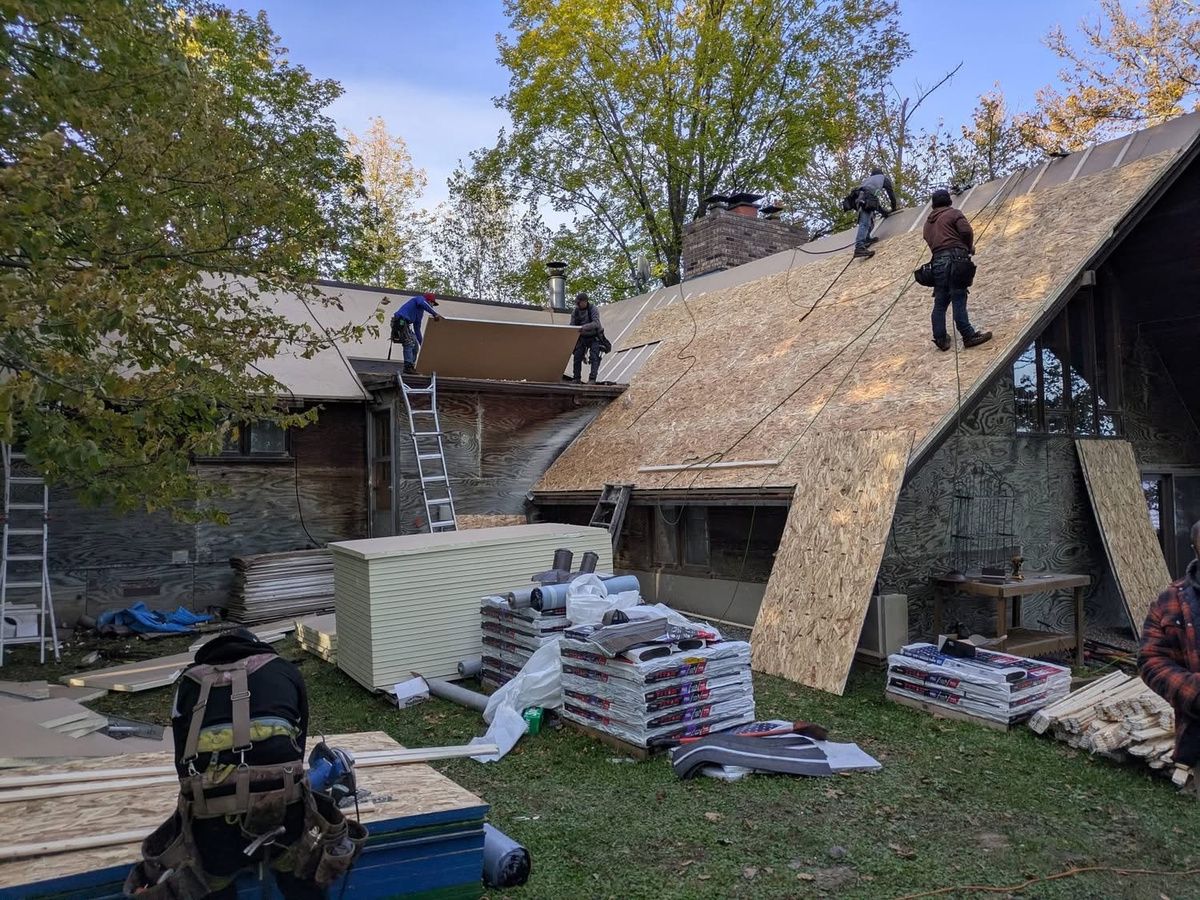
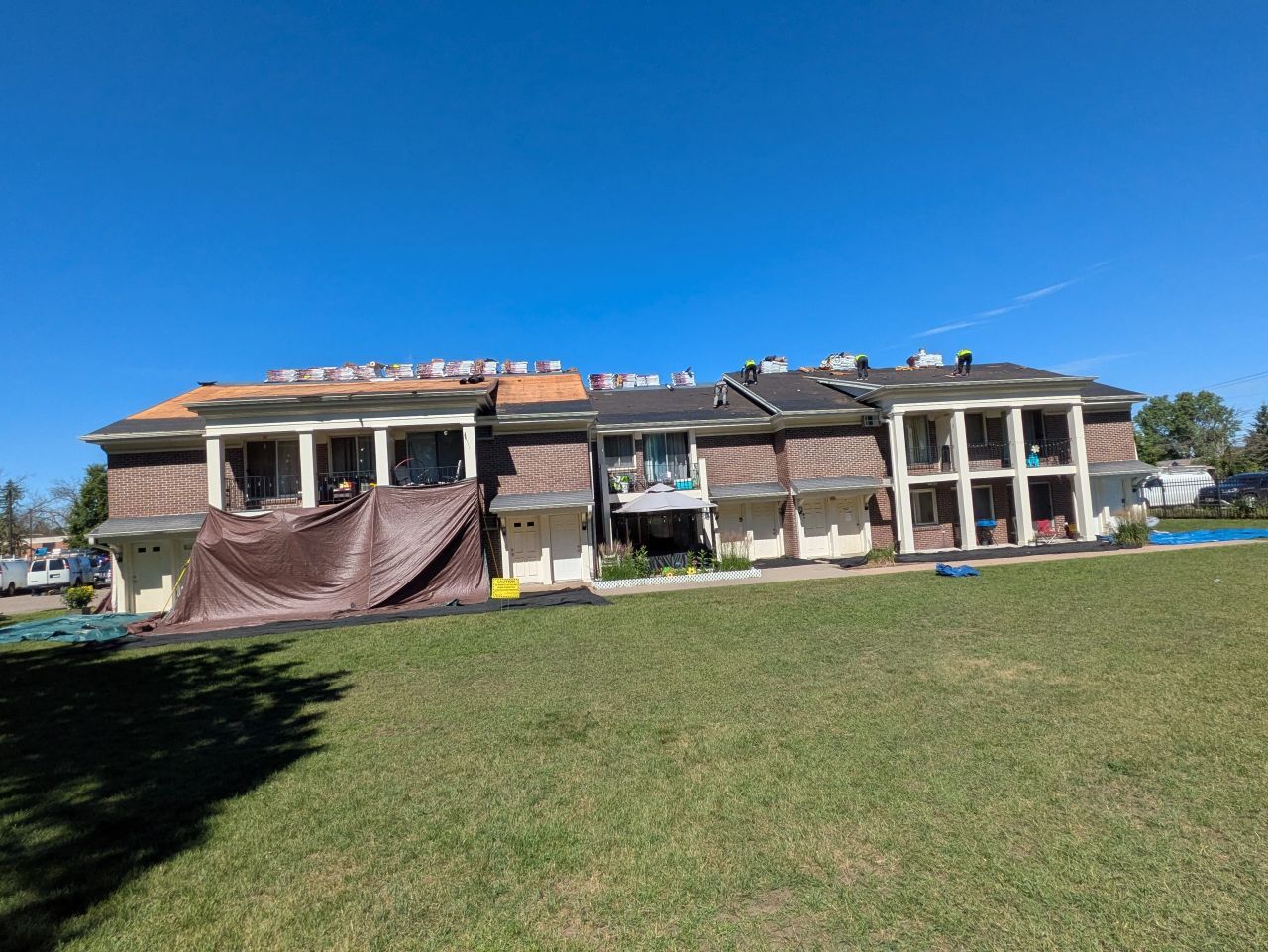
The decking is the wood surface the entire roof is built on. During a quality tear-off, a good contractor inspects the exposed decking for soft spots, rot, or water damage and replaces anything compromised. Laying new shingles over damaged decking is a shortcut that leads to problems, so this step is foundational.
Underlayment
Underlayment is a protective layer installed over the decking, beneath the shingles. It's a secondary barrier against moisture, adding protection if water ever gets past the shingles. Quality synthetic underlayment resists tearing and holds up better than older felt options.
Ice and water shield
This one is especially important in Minnesota. Ice and water shield is a self-sealing membrane applied in the areas most prone to leaks, along eaves, in valleys, and around penetrations. Its job is to guard against water intrusion from ice dams, which form when snow melts and refreezes at the roof's edge and forces water back up under the shingles. In our climate, proper ice and water shield placement is one of the most valuable parts of a quality install.
Flashing: Where Most Leaks Actually Start
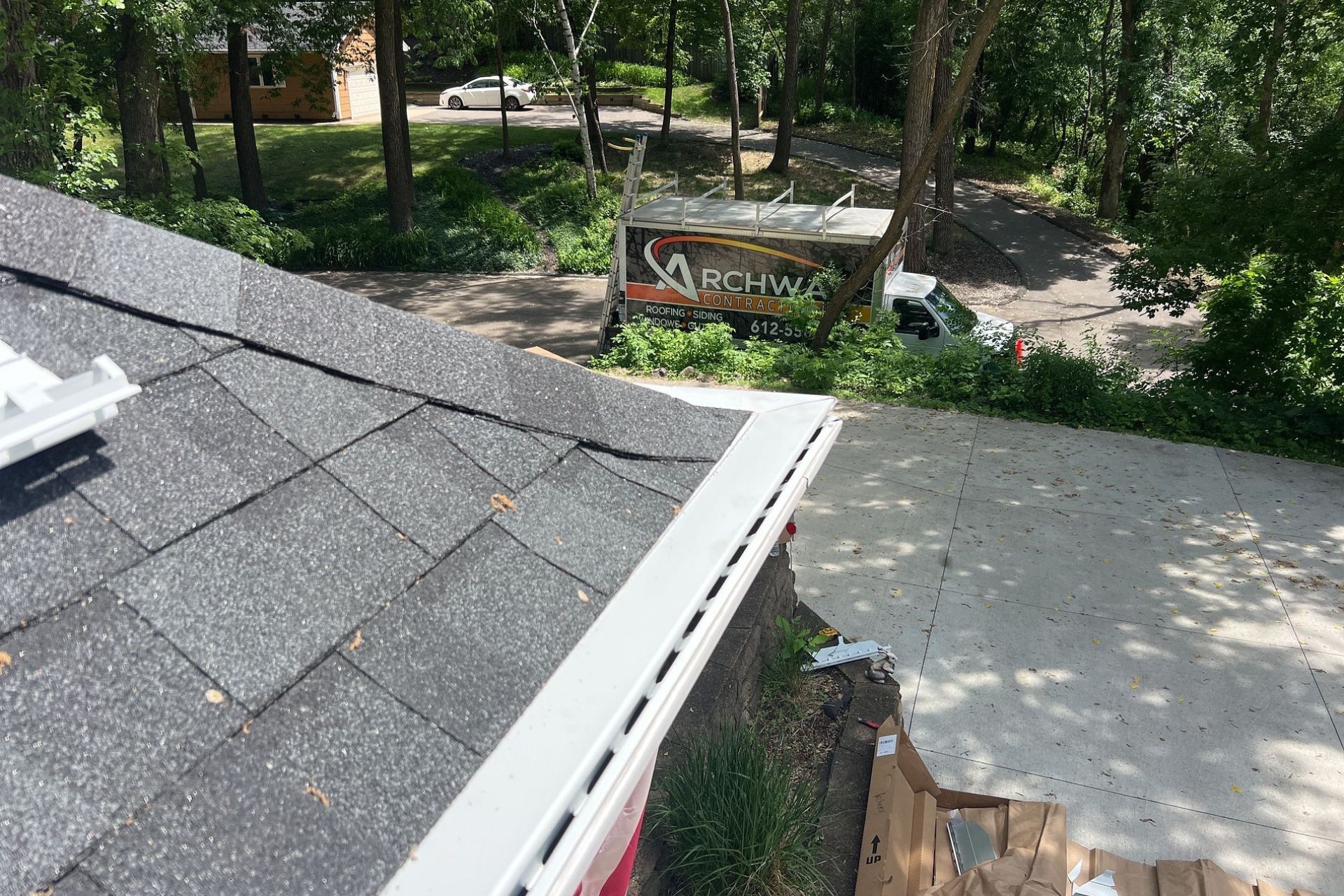
Flashing is the metal that seals the seams and transitions where the roof meets something else, chimneys, vents, skylights, walls, and valleys. These transition points, not the open field of shingles, are where the majority of roof leaks begin. Quality installation means flashing is properly placed, sealed, and often replaced rather than reused. Cutting corners on flashing is one of the most common reasons a new-looking roof still leaks.
Proper Ventilation
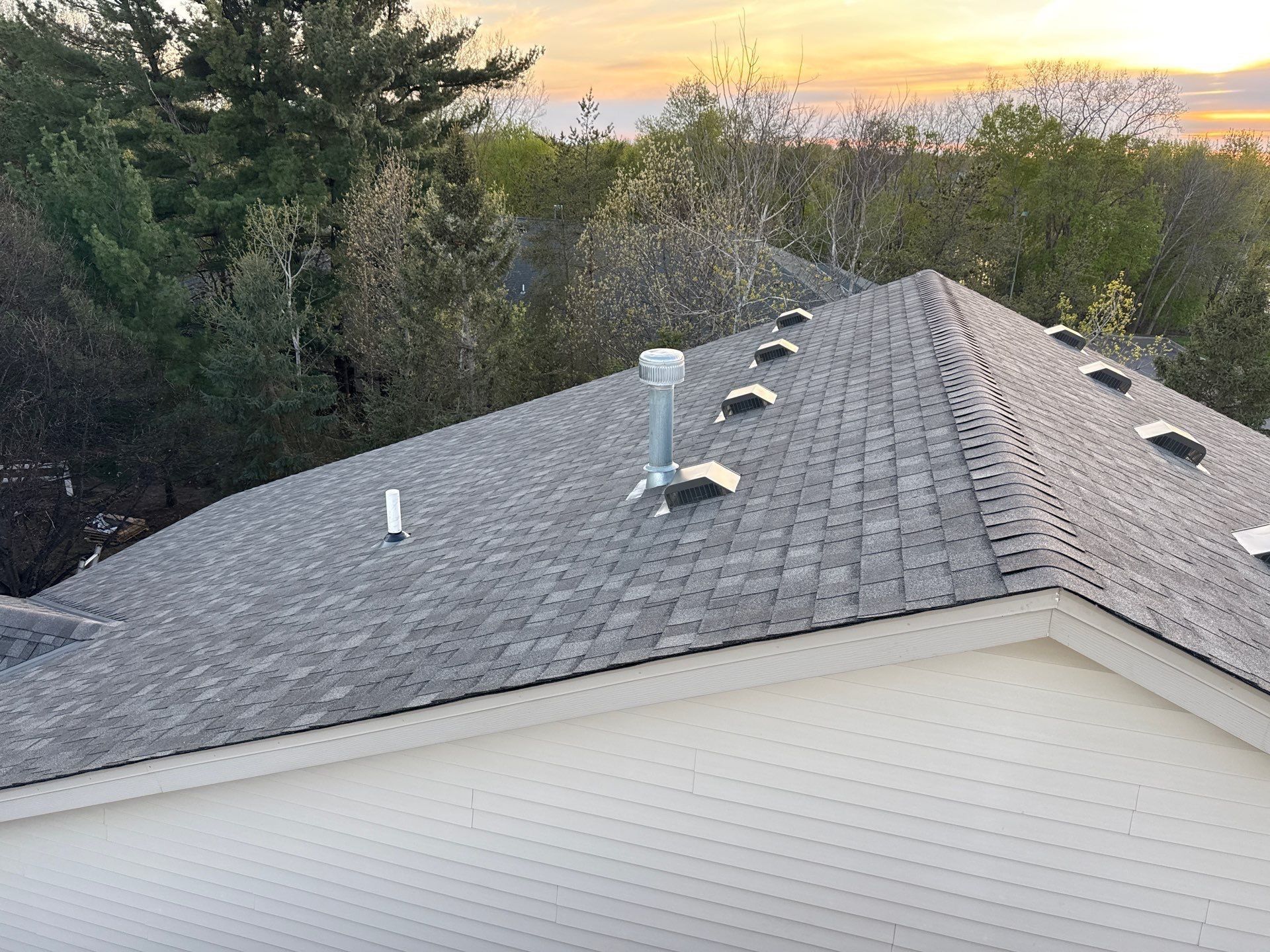
A roof needs to breathe. Balanced attic ventilation, intake at the soffits and exhaust near the ridge, lets heat and moisture escape. Without it, heat and humidity build up, which can shorten shingle life, contribute to ice dams in winter, and even lead to moisture problems in the attic. A quality installation accounts for ventilation as part of the system, not an afterthought.
Installation Details That Separate Good From Great
Correct nailing
It sounds minor, but nailing is one of the most important workmanship details. Nails placed in the right spot and driven to the right depth, not overdriven, not underdriven, hold shingles securely. This matters enormously in Minnesota, where high winds test how well shingles are fastened. Improper nailing is a leading cause of shingles blowing off in a storm.
Valleys, ridge caps, and clean lines
Valleys channel a lot of water and need to be installed to handle it. Ridge caps finish and seal the peak. Clean, straight lines and properly finished edges aren't just cosmetic, they reflect careful work throughout. Good detail work at these points is a sign the whole roof was installed with care.
Cleanup and Final Inspection
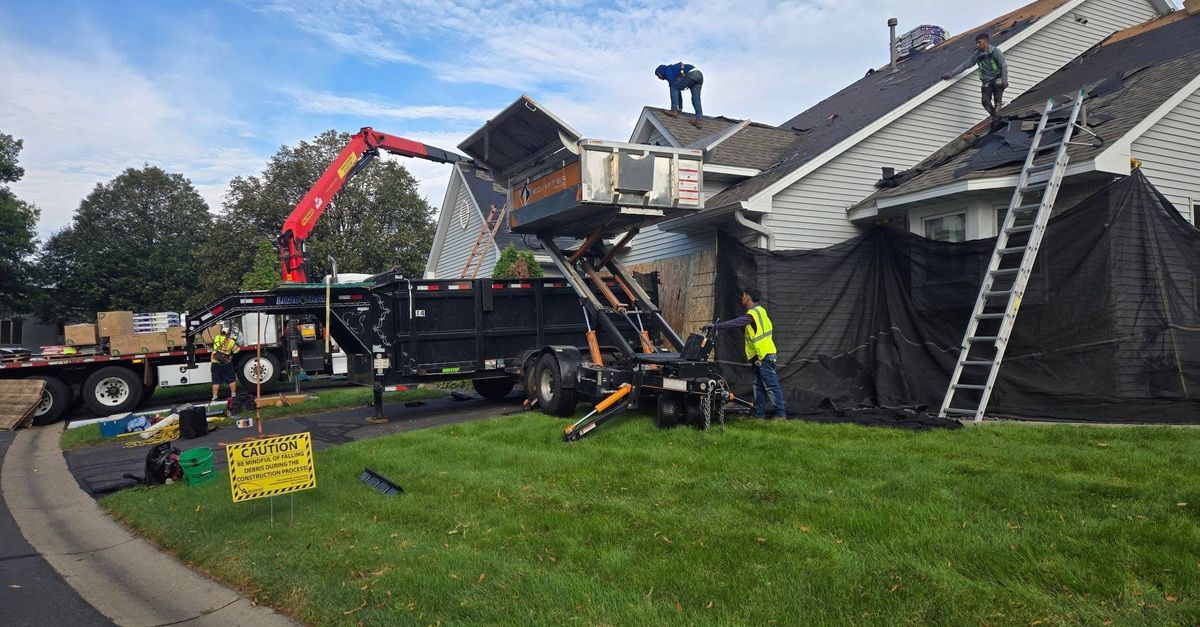
A quality roofing project isn't finished when the last shingle is on. It includes a thorough cleanup, magnetic sweeps for stray nails to protect tires and bare feet, debris hauled away, and gutters cleared, followed by a final inspection to confirm the work meets standard. You should be left with a clean property and a roof that's been checked over, not a mess to deal with yourself.
Warranty: Materials vs. Workmanship
Quality installation usually comes with two kinds of coverage worth understanding. The manufacturer's warranty covers the shingles and materials themselves. A workmanship warranty covers the installation, the labor and how the roof was put on. Both matter: even premium shingles can fail if installed poorly, so a contractor who stands behind their workmanship is giving you real assurance. Ask what each warranty covers before you sign.
Why This Matters More in Minnesota
Every one of these details is tested harder here. Ice dams make the ice and water shield essential. Freeze-thaw cycling punishes weak flashing and poor ventilation. High winds expose bad nailing. Hail stresses the whole system. A roof that might get by with average installation in a mild climate can fail early in Minnesota, which is exactly why quality installation, done by a contractor who understands our conditions, is worth insisting on. If you're also weighing shingle options, our guide on how to choose the right shingle for your Minnesota home pairs well with this one.
Frequently Asked Questions
What's included in a quality roof replacement?
A quality replacement includes inspecting and repairing the decking, installing underlayment and ice and water shield, proper flashing at all transitions, balanced ventilation, correct nailing, finished valleys and ridge caps, thorough cleanup, a final inspection, and clear warranty coverage, not just new shingles.
Why do new roofs sometimes still leak?
Most leaks start at flashing and transition points rather than in the open field of shingles. When flashing is reused or installed poorly, a brand-new roof can still leak. That's why quality flashing work is such an important part of a proper installation.
Why is ice and water shield important in Minnesota?
Our winters create ice dams, where melting snow refreezes at the roof's edge and pushes water back under the shingles. Ice and water shield is a self-sealing membrane that guards vulnerable areas against that intrusion, making it one of the most valuable layers in a Minnesota roof.
What's the difference between a materials warranty and a workmanship warranty?
A materials (manufacturer's) warranty covers the shingles and products. A workmanship warranty covers the installation itself. Both matter, since even top-quality shingles can fail if they're installed incorrectly.
summary
A quality roof is far more than shingles, it's a complete system, and the layers you can't see often determine how long it lasts. In Minnesota's demanding climate, insisting on proper decking, underlayment, ice and water shield, flashing, ventilation, and careful workmanship is one of the best investments you can make in your home.
Schedule Your Free Roof Inspection
Archway Contracting approaches every roofing project with a focus on precision, durability, and protecting your home long after the work is done. We provide roof inspections, roof replacement, and exterior restoration for homeowners across Ham Lake, Blaine, Andover, and the Twin Cities.