
Who Owns Your Contractor? Why It Matters for Minnesota Homeowners

Share this article

When you hire a company to replace your roof, side your home, or build a deck, you probably picture the name on the truck: a local brand you've seen around for years. What most homeowners never think to ask is who actually owns that name today. And increasingly, the answer isn't what you'd expect.

Across the country, a growing share of the largest roofing, siding, window, and home-improvement companies are no longer owned by the local families who built them. They've been bought up by private equity firms, often headquartered far from the communities they serve. There's nothing inherently wrong with that, and many of these companies do excellent work. But it changes some things worth understanding before you sign a contract and hand over a deposit.

What "Private Equity-Owned" Really Means for a Contractor

Private equity firms invest money on behalf of large investors, and one common strategy in home services is the "roll-up." A firm buys a number of local companies in the same industry, keeps their familiar brand names, and combines them under one corporate parent. To you, the sign in the yard looks the same. Behind it, the ownership, the financing, and the people with authority over your project may have moved several states away.

Roll-ups are often financed with significant debt, which is placed on the acquired companies. That can leave a business more leveraged, and more financially fragile, than its long local history would suggest. The familiar name can stay the same while the structure underneath it becomes something very different.

What Happened With Minnesota Rusco

Minnesota homeowners got a firsthand look at how this can play out. According to the Minnesota Attorney General's Office, Minnesota Rusco, a home-renovation company that had operated in the state for 70 years, abruptly ceased operations on October 29, 2025, leaving many customers who had signed contracts and paid sizeable deposits with unfinished work.

Although Rusco had a long history of local ownership, it had been sold in 2022 to a Texas-based company backed by private equity, and it filed for Chapter 7 bankruptcy in early November 2025. The Attorney General's Office connected the closure to the kind of debt-heavy roll-up strategy described above.

Here's the part that matters most for homeowners: when a company files for bankruptcy, customers who paid deposits for work that was never finished are typically treated as "unsecured creditors," meaning they're near the back of the line and often recover little. A seventy-year-old name and a signed contract didn't protect those deposits. We're not sharing this to alarm anyone, it's simply a documented example of how ownership structure can affect real families, and it's exactly why the questions later in this article are worth asking.

This Isn't "Big Company Bad"

It would be easy, and unfair, to turn this into "big companies can't be trusted." That's not true, and we won't pretend it is. Private-equity investment brings real advantages: capital for better equipment, funded training and apprenticeships, safety programs, and often higher pay for crews. Plenty of larger, investor-owned contractors do outstanding work and stand fully behind it. And for an owner nearing retirement with no family to take over, selling can be the responsible way to keep a crew employed.


So the point isn't the size of the company or the fact that it markets heavily. The point is simpler: you deserve to know who owns the company you're hiring and who has the authority to make decisions about your project, because that structure quietly shapes a few things that matter to you.

The Risk That Hits Home: What Your Warranty Is Actually Worth

A workmanship warranty is one of the most valuable protections you get on an exterior project. But a warranty is a promise, and a promise is only as strong as the company still standing to keep it. If the entity behind your warranty is restructured, sold again, or liquidated, that promise can become very hard to collect on, as the Rusco situation showed.

This is the same principle we wrote about in why longevity matters when choosing a roofing contractor: a company's staying power is what gives its warranty meaning. Ownership is part of that staying power. A warranty backed by a stable, locally accountable company is simply worth more than the same document backed by a heavily leveraged roll-up that could change hands.

Why Local, Family-Owned Ownership Changes the Math

When a company is locally and family-owned, the person accountable for your project isn't several layers and several states away, they're in your community, with a name and a reputation to protect. Decisions about your project get made by people who live where you live, and who you can actually reach if something needs attention a few years down the road.


That accountability shows up in the work itself, too. Quality exterior installation depends on getting the details right, the parts you never see once the job is done, and a local owner has every reason to make sure that happens. (If you're curious what those details are, we broke them down in what quality roof installation actually includes.) When the same people who install your roof are the ones who answer for it, the incentives line up in your favor.


Archway Contracting is a family-owned, Minnesota-based exterior contractor. We've served homeowners across the Twin Cities north metro since 2015, we're not owned by an out-of-state private-equity firm, and the people responsible for your project are right here. We think that's worth knowing when you're deciding who to trust.

The One Question to Ask Before You Sign

You don't need to become an expert in corporate finance to protect yourself. You mostly need to ask one question: Who owns this company, and who has the authority to make decisions about my project? If that answer takes more than a sentence, or gets vague, that's useful information in itself.


A few more simple safeguards go a long way:

  • Get everything in a written, itemized contract, and keep copies of all documents and communications.
  • Be cautious about large upfront deposits; understand exactly what your money is paying for and when.
  • When practical, pay by credit card or documented financing, which can give you more options if something goes wrong.
  • Confirm the company is licensed and insured in Minnesota, and look for a track record you can actually verify.


For a fuller vetting checklist, see our guide on how to know if a contractor is legit before you hire.

If You've Been Affected by a Contractor Closing

If you're a Minnesota homeowner who lost money to a contractor that shut down, you have options worth pursuing. Preserve all your records, contracts, invoices, receipts, and messages. If you paid by credit card or seller-arranged financing, contact that provider promptly about a possible chargeback. And you can file a complaint with the Minnesota Attorney General's Office, which also points affected consumers toward the state's Contractor Recovery Fund. The full consumer alert, with steps and contact information, is available on the Minnesota Attorney General's website.

Frequently Asked Questions

  • Are many roofing and home-improvement companies owned by private equity?

    Yes. A growing share of the largest roofing, siding, window, and home-improvement companies have been acquired by private-equity firms and combined under corporate parents, often keeping their familiar local brand names. Many still do excellent work, but the ownership behind the name has changed.


  • What does it mean if my contractor is owned by private equity?

    It usually means the local brand is part of a larger, investor-owned group, and that financing and major decisions may be handled by a parent company elsewhere. That can bring more resources, but it can also add debt and financial fragility, and place the people accountable for your project further from your community.


  • What happened with Minnesota Rusco?

    What happened with Minnesota Rusco?

    According to the Minnesota Attorney General's Office, Minnesota Rusco, a 70-year-old home-renovation company that had been sold in 2022 to a private-equity-backed parent, abruptly closed on October 29, 2025, and filed for bankruptcy, leaving many customers who had paid deposits with unfinished work and limited options for recovery.


  • Is my contractor's warranty safe if the company is sold or goes bankrupt?

    A warranty is only as strong as the company standing behind it. If that company is liquidated or restructured, the warranty can become difficult or impossible to collect on. Choosing a stable, locally accountable contractor makes a warranty more likely to hold up over time.


  • What's the most important question to ask before hiring a contractor?

    Ask who owns the company and who has the authority to make decisions about your project. Pair that with a written contract, cautious deposit practices, and confirmation of Minnesota licensing and insurance.

The Bottom Line

The name on the truck doesn't always tell you who's behind it anymore. That's not a reason to fear big companies, plenty do great work, but it is a reason to ask a simple question before you sign. Knowing who owns your contractor, and who will still be accountable years from now, is one of the most practical ways to protect your home and your money.

Work With a Local, Family-Owned Team

Archway Contracting is a family-owned, Minnesota-based exterior contractor serving Ham Lake, Blaine, Andover, and the Twin Cities since 2015, with 340+ reviews and the same local people accountable from first inspection to final walkthrough. Request a free inspection or estimate and work with a team that's right here when you need us.

Recent Posts

New gutters installed by Archway Contracting channeling water away from a Minnesota home to protect
September 14, 2026
Gutters protect far more than your roof. See how new gutters guard your siding, fascia, foundation, and landscaping through every Minnesota season.
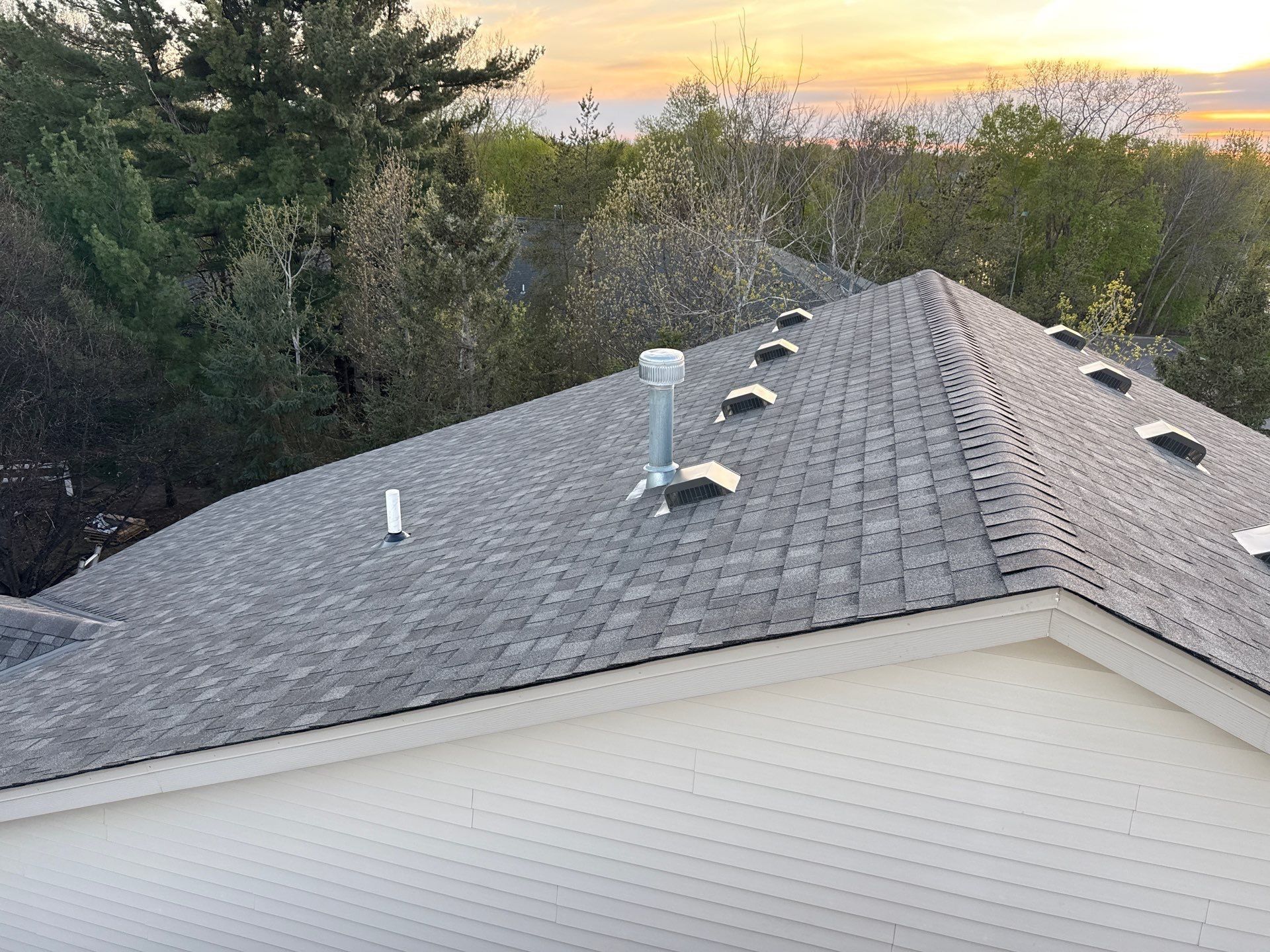
After photo of a completed residential roof project in Andover, MN
September 9, 2026
Roofing, siding, windows, gutters, or a deck? Here's when you generally need a permit for exterior work in Minnesota, and why the rules vary by city.
Customer giving a thumbs up after choosing Archway Contracting
August 27, 2026
Reviews reveal what an estimate can't. Learn what to look for in roofing contractor reviews, where to find trustworthy ones, and the red flags to watch for.
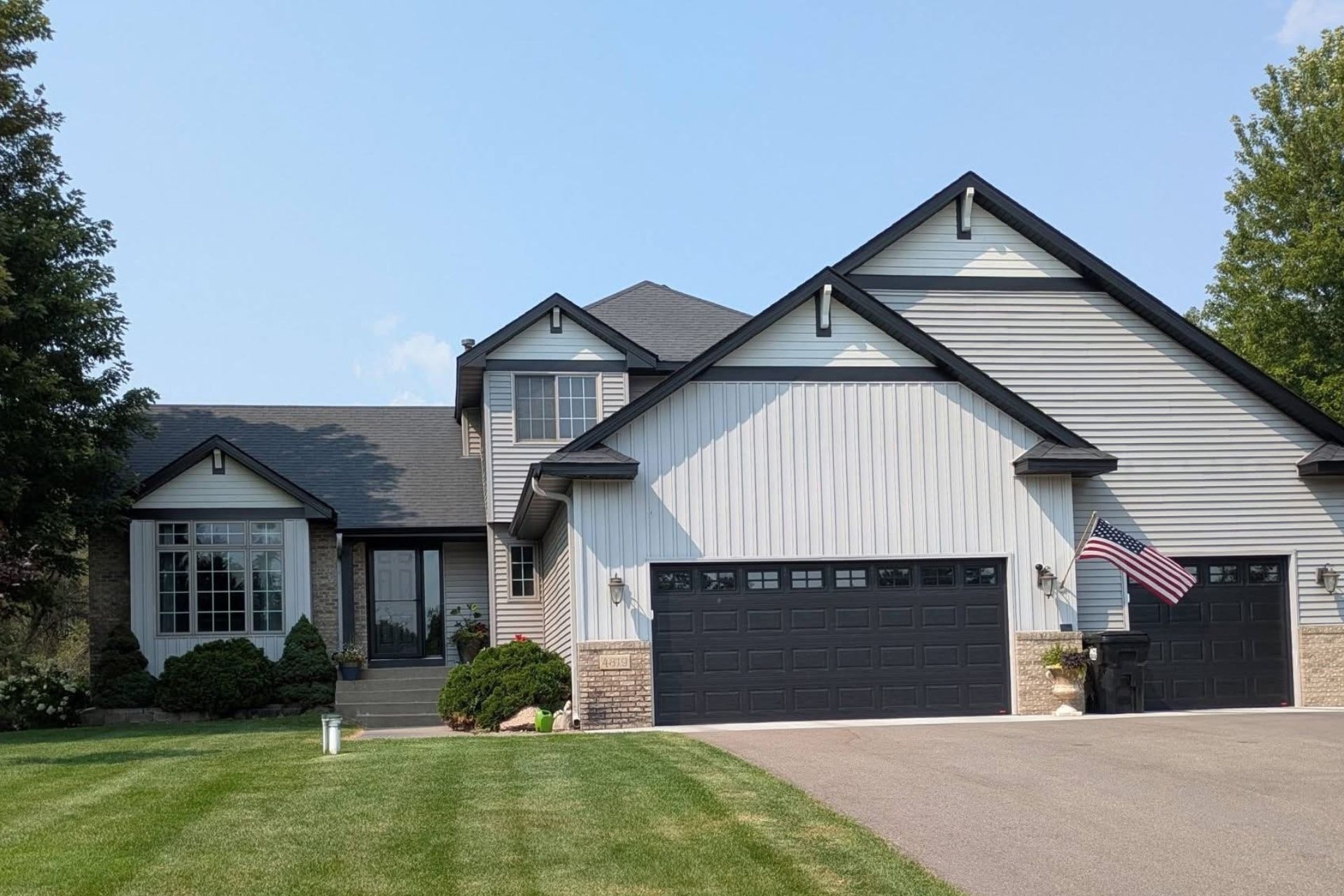
Quality roof installation on a Minnesota home, with underlayment and flashing in place.
August 21, 2026
A quality roof is more than shingles. Here's what proper roof installation actually includes, from underlayment and flashing to ventilation, in Minnesota's climate.
Loose asphalt shingle granules collected in a residential gutter, a potential warning sign of roof w
August 19, 2026
Finding shingle granules in your gutters? Learn what granule loss may mean, how to check for it, and when it's a roof warning sign for MN homeowners.
Established Archway Contracting main office in Ham Lake, MN
August 7, 2026
A company can be everywhere overnight. Here's why longevity and a proven track record matter more when choosing a Minnesota roofing contractor.
Roofing professional working on a new residential roof.
August 2, 2026
Aging shingles, granule loss, and sagging or leaking are three roofing red flags MN homeowners shouldn't ignore. Learn what each may mean and what to do.
Close-up of damaged roof during a free storm damage inspection on a Minnesota home.
July 29, 2026
A step-by-step guide to filing a storm damage insurance claim in Minnesota: what to document, how to work with your adjuster, and the deductible law to know.
Custom maintenance-free raised deck with wood-look boards, black metal railings, stairs, and a cover
By Sarah Peterson July 29, 2026
Planning a custom deck in Minnesota? Learn how our climate, decking materials, permits, and design choices affect your build before you start.
Minnesota home after a hail and wind storm, with a homeowner checking for visible exterior damage.
July 20, 2026
Hit by hail or high winds in MN? Here's a step-by-step guide to what to do after a storm, how to spot visible damage, and when to schedule an inspection.
Show More