
How New Gutters Help Protect Your Home Year-Round
Gutters are easy to overlook. They don't add curb appeal the way new siding does, and they're barely noticeable until something goes wrong. But few parts of your home work as quietly, or as constantly, to protect it. In Minnesota, where the weather changes dramatically from season to season, a good gutter system defends your home every month of the year.
Here's how new gutters protect your home year-round, what they safeguard beyond the roof, and how to know when it's time to replace them.
What Gutters Actually Do for Your Home
A gutter system has one core job: control where water goes. When rain or snowmelt runs off your roof, gutters catch it and downspouts carry it safely away from the house. That sounds simple, but the alternative, water sheeting off the roof and pooling around your home, is what leads to some of the most expensive damage a house can suffer. Gutters are a small system doing a big job, and when they're worn out or undersized, everything downstream pays the price.
How Gutters Protect Your Home in Every Minnesota Season
Spring
Spring brings heavy rain and melting snow at the same time, a lot of water in a short window. Working gutters channel that volume away from your foundation and landscaping instead of letting it collect against the house.
Summer
Minnesota summers bring sudden, intense downpours and storms. Gutters sized and installed to handle high-volume rain keep that water moving away quickly, protecting siding and the ground around your foundation during the heaviest weather of the year.
Fall
Falling leaves and debris are gutters' biggest enemy. Clogged gutters overflow, sending water down your siding and pooling where you don't want it. This is the season where gutter guards earn their keep, and where clearing or upgrading before winter matters most.
Winter
Winter is where Minnesota gutters really prove their worth. As snow melts and refreezes, water needs a clear path off and away from the roof. Gutters that are clogged, sagging, or poorly pitched contribute to standing water and can worsen the conditions that lead to ice dams. A properly functioning system helps meltwater drain the way it should through our long freeze-thaw season.
What New Gutters Protect (Beyond the Roof)
The real value of gutters is everything they shield. Directing water away protects your fascia and roofline from rot, your siding from constant water exposure and staining, your foundation from the pooling and soil movement that can lead to cracks and basement moisture, and your landscaping from erosion and washout. When any of these show water damage, worn or failing gutters are often the hidden cause.
Signs Your Gutters Need Replacing
The Role of Gutter Guards
Why Gutters Matter More in Minnesota
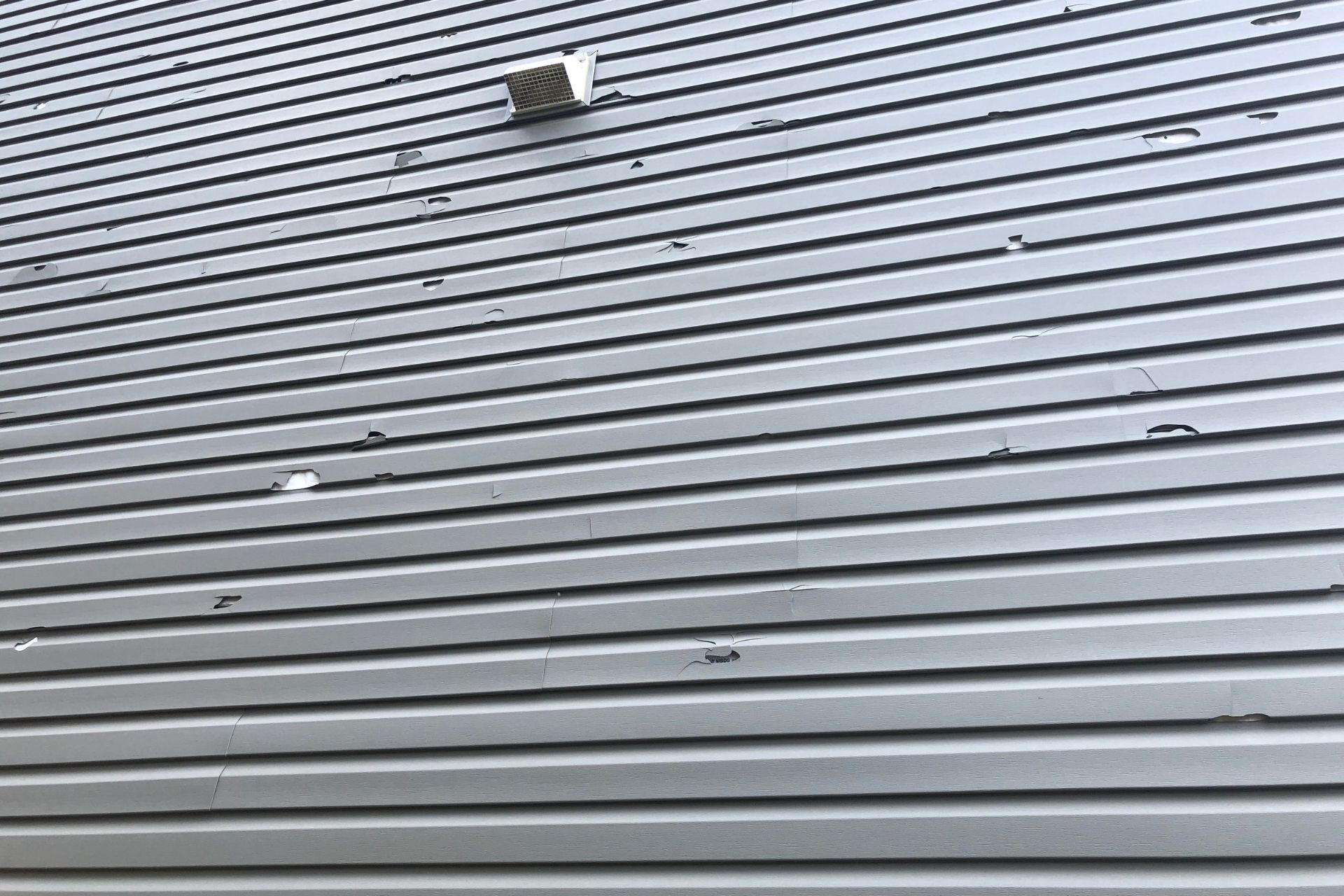
Our climate stacks the challenges: spring melt, summer downpours, fall debris, and a long winter of freeze-thaw. Each season tests a gutter system in a different way, and a home here needs gutters that can handle all of them. That's why new, properly installed gutters aren't just a cosmetic upgrade in Minnesota, they're year-round protection for some of the most expensive parts of your home. Gutters also work hand in hand with your roof, so if you're weighing gutter work after a storm, our guide on what hail damage looks like on roofs, siding, and gutters is a useful companion.
Frequently Asked Questions
How do gutters protect my foundation?
Gutters and downspouts carry roof runoff away from the base of your home. Without them, water pools against the foundation, which over time can contribute to cracks, soil movement, and basement moisture. Directing water away is one of the most important things gutters do.
How long do gutters last in Minnesota?
It varies with material, installation, and maintenance, but our freeze-thaw climate and debris load are hard on gutters. Watch for the warning signs, sagging, cracks, rust, overflow, and staining, rather than relying on age alone.
Are gutter guards worth it?
For many Minnesota homeowners, yes. Guards reduce clogs and cleaning and help the system flow during fall leaf drop and heavy rain, which also supports better drainage heading into winter. They cut maintenance significantly, though gutters should still be checked periodically.
Can bad gutters cause ice dams?
Gutters alone don't cause ice dams, but clogged, sagging, or poorly pitched gutters can contribute to the standing water and drainage problems that make ice dams worse. Keeping gutters clear and functioning is part of managing winter roof health.