Roof Repair vs. Replacement for a Minnesota Home
Should you repair or replace your Minnesota roof?
If your roof has isolated, recent damage and plenty of service life left, a targeted repair is often the right call. If the wear is widespread, the roof is near the end of its lifespan, or matching materials are no longer available, a full replacement is usually worth discussing. The only way to know for certain is a close inspection — but understanding what drives the decision helps you walk into that conversation informed.

When a repair usually makes sense
A repair tends to be the right fit when the problem is localized and the rest of the roof is sound. Common examples include a small number of shingles lost to wind, a single area of flashing that’s failing around a chimney or vent, or a localized leak with no sign of broader deterioration. If the damage is confined to one slope or one feature, and the surrounding shingles still have life in them, repairing the affected area can restore protection without replacing everything.
When replacement is worth discussing
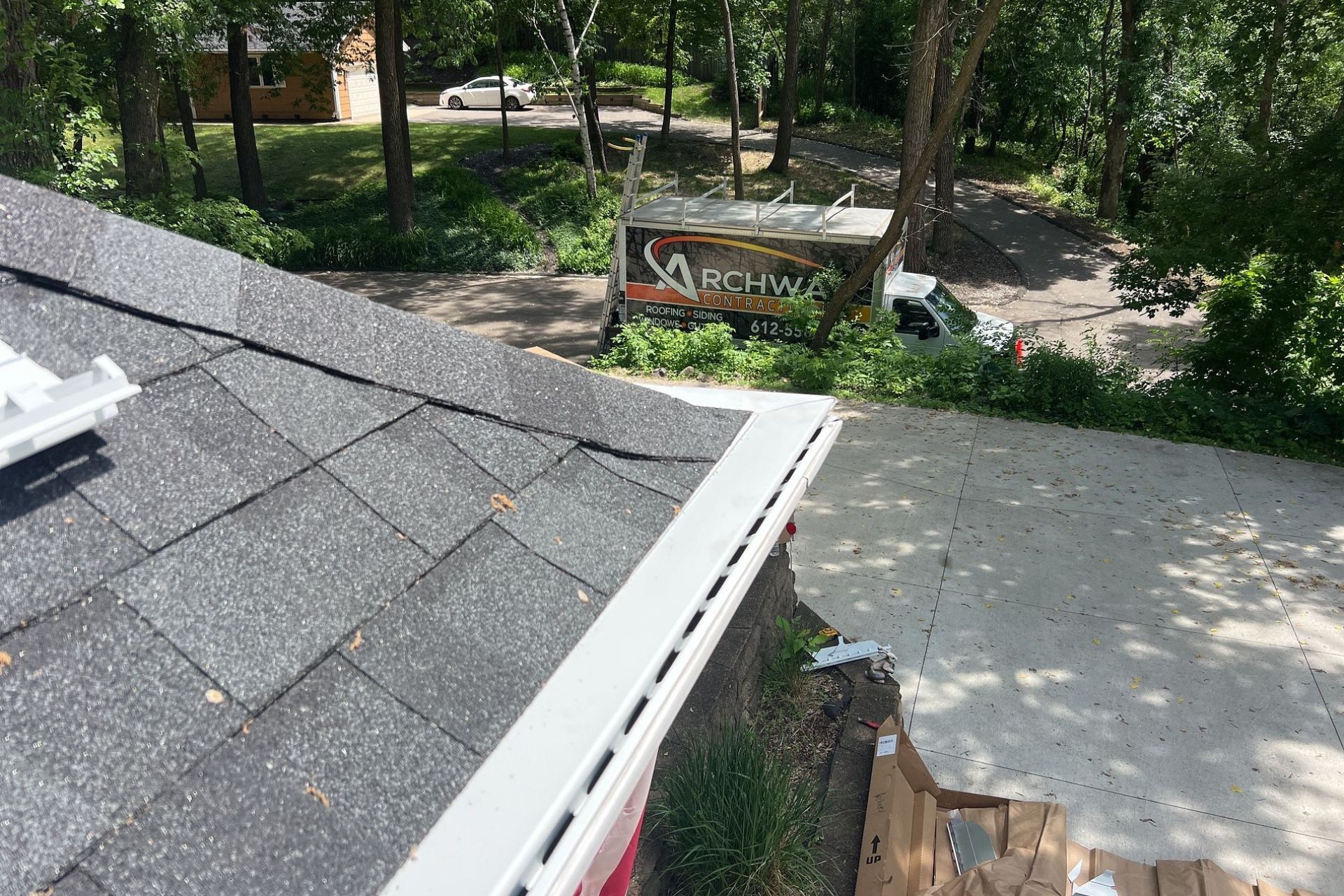
Replacement becomes the better conversation when the issues are widespread rather than isolated. Signs that point toward replacement include shingles that are curling, cracking, or losing granules across multiple slopes; repeated leaks in different areas; or visible aging across the whole roof rather than one spot. Age matters here too: a roof near the end of its expected lifespan may not be worth repeated repairs, because the next problem is rarely far behind.
Age vs. condition — they aren’t the same thing
One of the most common misunderstandings is treating age alone as the deciding factor. Age is a useful clue, but condition is what actually matters. A well-ventilated, well-installed roof can outlast its “expected” age, while a poorly ventilated one can wear out early. That’s why an honest inspection looks at the roof’s real condition — not just the install date — before recommending anything.
What affects the repair-or-replace decision
Several things shape the conversation beyond the shingles you can see:
- Decking. The wood beneath the shingles has to be sound. Soft or damaged decking can change the scope.
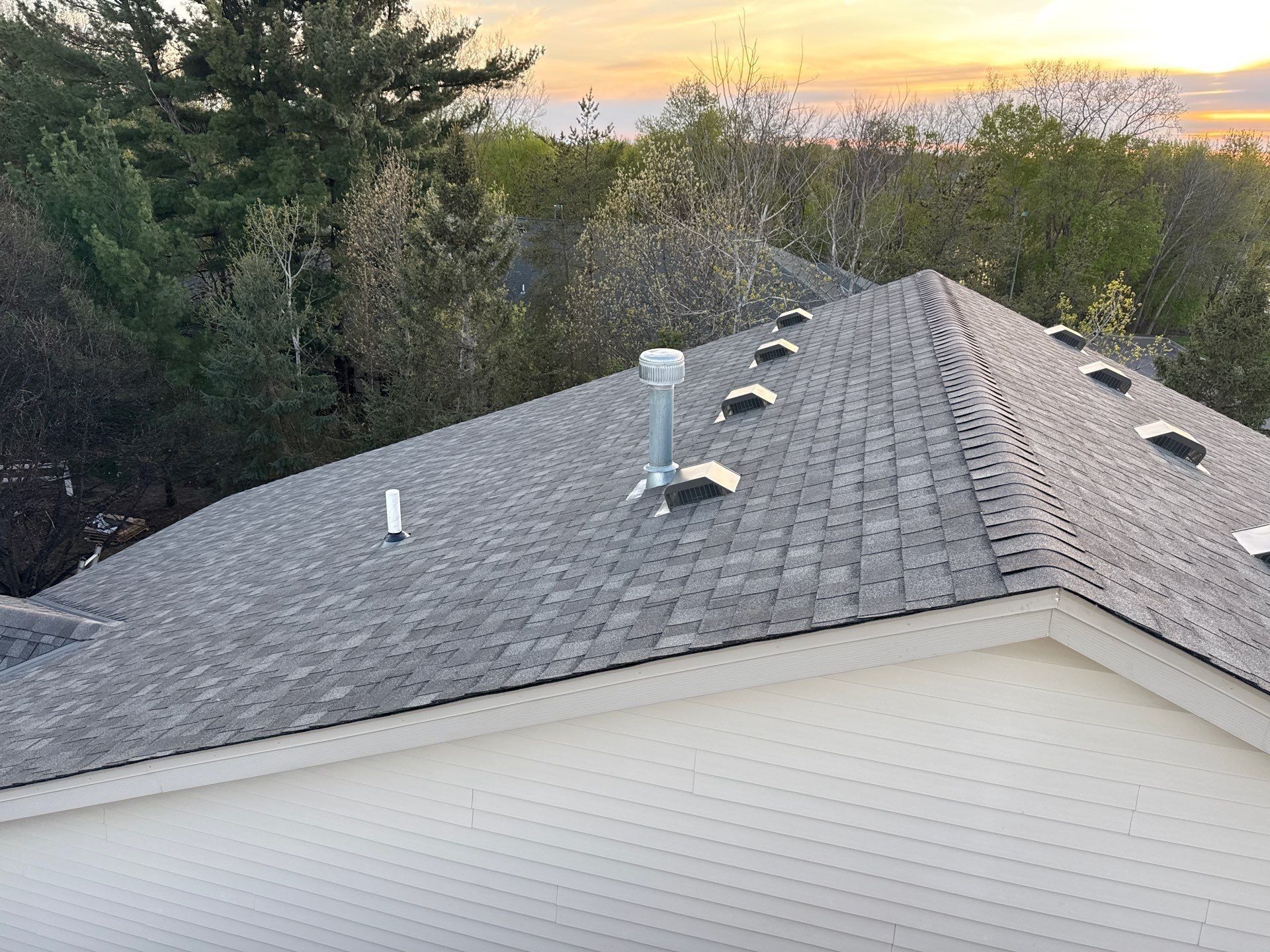
- Ventilation. Poor attic ventilation shortens roof life and can undermine a repair.
- Flashing. The metal around chimneys, valleys, and vents is a common failure point and is often where leaks really start.
- Previous work. Earlier repairs, layovers, or shortcuts can affect what’s possible now.
- Matching materials. If your shingle is discontinued or the color no longer matches, a repair can look patched — which sometimes tips the decision toward replacement.
What a good roof estimate should include
Whether the recommendation is repair or replacement, the estimate should be clear and written. A useful estimate describes the scope of work, the materials, how unforeseen conditions (like hidden decking damage) would be handled, and the warranty details. If you’re weighing more than one roof project or comparing bids, see our guide on how to compare roof replacement estimates, so you’re comparing the same scope and not just the bottom-line number.
frequently asked questions
Can an older roof be repaired?
Often, yes — age alone doesn’t rule out a repair. What matters is the roof’s actual condition: if the wear is localized and the rest of the roof is sound, a targeted repair can be appropriate. A close inspection is the only way to know for your roof.
How do I know if I need a repair or a full replacement?
Localized, recent damage with plenty of remaining service life usually points to repair; widespread wear, repeated leaks, or a roof near the end of its lifespan usually points to replacement. An inspection settles it.
What should a roof estimate include?
A written scope of work, the materials, how unforeseen conditions would be handled, and the warranty details — clear enough that you could compare it fairly against another bid.
Get an honest assessment of your roof
The best next step is a professional set of eyes on your actual roof. Archway Contracting is a family-owned Minnesota exterior contractor, and we’ll inspect your roof and walk you through the options that genuinely fit its condition — no pressure.
Request a free roof inspection to compare the right options for your home