

Signs It's Time to Replace Your Siding in Minnesota
Siding is one of those parts of a home that's easy to stop noticing, right up until it starts causing problems. It quietly takes the brunt of everything Minnesota throws at your house, sun, rain, wind, hail, and months of freeze-thaw, and like anything that works that hard, it eventually wears out. The tricky part is that failing siding doesn't always announce itself. By the time the damage is obvious, moisture may already be working behind the scenes.
Here are the clearest signs it's time to replace your siding, how to tell a simple repair from a full replacement, and why our climate is especially tough on a home's exterior.
What Your Siding Actually Does
Before the signs, it helps to know what's at stake. Siding isn't just the look of your home, it's a protective shell. It keeps water out of the wall structure, works with your home's insulation to manage energy efficiency, and defends the materials underneath from weather and pests. When siding starts to fail, it's not only a cosmetic issue; the protection your walls depend on begins to slip. That's why catching the warning signs early matters.
Signs It's Time to Replace Your Siding

Cracks, holes, or warping
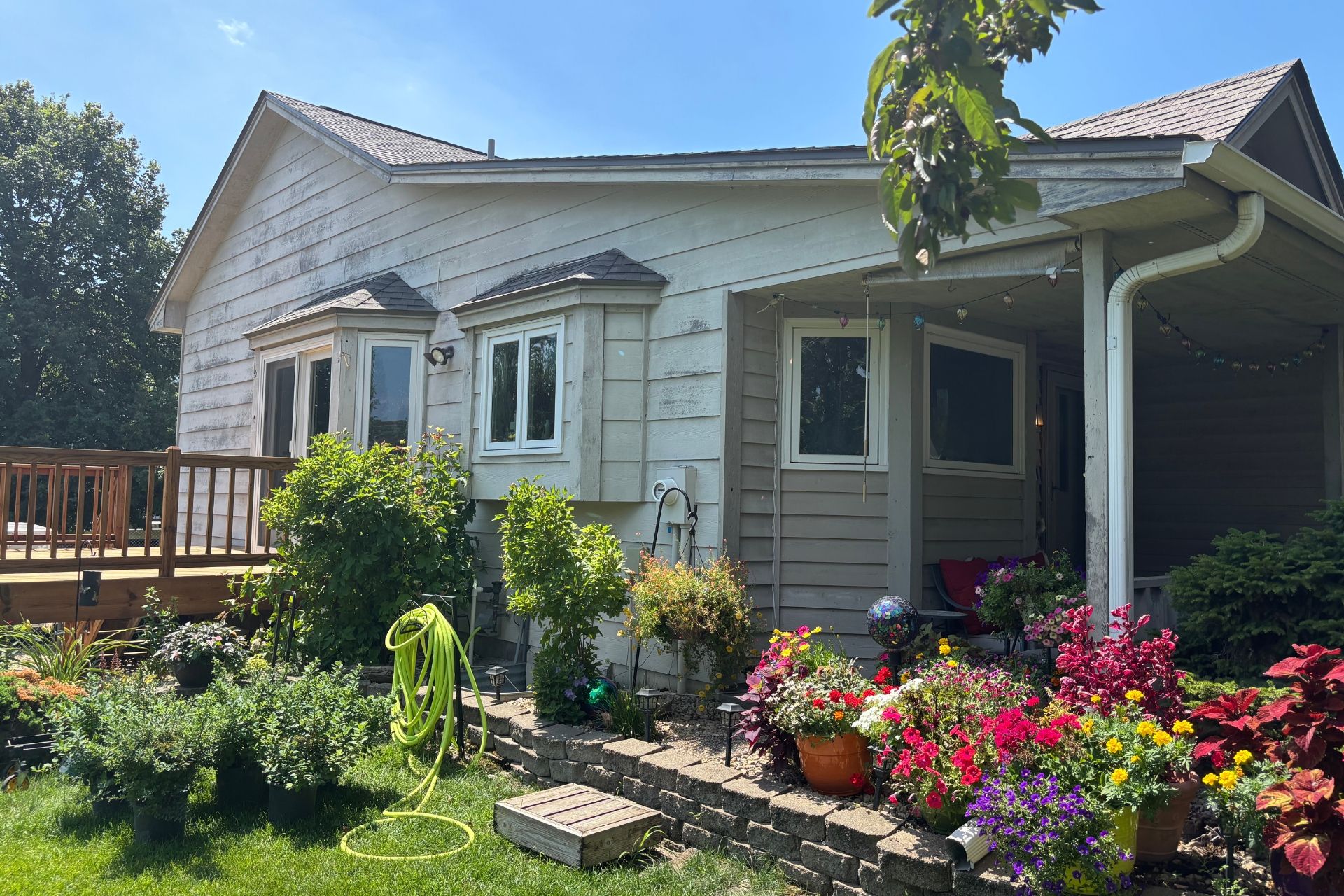
Frequent repainting, fading, or chalking
If you're repainting every few years, or you notice heavy fading and a chalky residue when you run your hand across the surface, the siding is breaking down. Quality siding should hold its finish for many years. Needing constant upkeep is often a sign it's reaching the end of its usable life.
Moisture problems: rot, soft spots, or mold
Soft or spongy areas, visible rot, or mold and mildew growth point to moisture getting where it shouldn't. This is the most important category to act on, because trapped moisture can damage the structure behind the siding and lead to far more expensive repairs if ignored.
Loose, buckling, or missing panels
Panels that are loose, pulling away, buckling, or missing entirely leave gaps for water and air. Minnesota's high winds and storms can loosen or tear off siding, and once the barrier is broken, the rest of the wall is exposed.
Rising energy bills and drafts
Siding works with your insulation to keep conditioned air in. If your heating or cooling bills are climbing with no other explanation, or rooms feel drafty, failing siding and the moisture or gaps behind it can be part of the problem.
Interior clues
Sometimes the first sign shows up inside: peeling paint or wallpaper, or unexplained moisture on interior walls. That can indicate water is getting through the exterior, worth a closer look at the siding from outside.
age
Even without obvious damage, age matters. Depending on the material and how well it's held up in our climate, siding has a finite lifespan. If yours is decades old and showing several of the signs above, replacement is often the smarter long-term move than continuing to patch it.
Repair or Replace? How to Tell
Not every issue means a full replacement. A small area of damage on otherwise healthy, relatively young siding can often be repaired. Replacement tends to make more sense when the damage is widespread, when there's moisture or rot behind the siding, when the material is near the end of its life, or when you're repairing so often that it no longer pays off. A professional inspection is the reliable way to know which situation you're in, rather than guessing.
How Minnesota's Climate Wears Siding Down
Our weather is the reason siding here ages faster than it would in a milder region. Summer brings intense sun, heat, and hail that can crack or dent panels. Storms bring wind that loosens and tears siding loose. And winter brings months of freeze-thaw cycling, where any moisture that gets behind a panel freezes, expands, and slowly works the gap wider. Add the swing from humid summers to bitter cold, and the constant expansion and contraction stresses every seam and fastener. Siding that might last decades elsewhere works a lot harder in Minnesota, which is why choosing durable material and keeping an eye on these signs matters so much here.
What to Do If You Notice These Signs
If one or more of these signs sounds familiar, the best next step is a professional inspection. A closer look can tell you whether you're dealing with a simple repair, early warning signs to monitor, or siding that's ready for replacement, and whether any moisture has reached the structure behind it. Archway Contracting provides siding inspections and replacement for homeowners across Ham Lake, Blaine, Andover, and the Twin Cities, with honest recommendations about what your home actually needs. If a recent storm is part of the picture, our guide on what hail damage looks like on roofs, siding, and gutters can help you spot it.
frequently asked questions
How long does siding last in Minnesota?
It depends heavily on the material and how it's held up to our climate. Any siding has a finite lifespan, and Minnesota's hail, wind, and freeze-thaw tend to shorten it compared to milder regions. If your siding is decades old and showing several warning signs, it's worth having inspected.
Can I repair siding instead of replacing it?
Sometimes. A small, isolated area of damage on otherwise healthy, relatively young siding can often be repaired. Replacement usually makes more sense when damage is widespread, moisture or rot is present behind the siding, or the material is near the end of its life.
What are the signs of water damage behind siding?
Watch for soft or spongy spots, visible rot, mold or mildew, and interior clues like peeling paint or unexplained moisture on inside walls. Trapped moisture is the most urgent siding issue because it can damage the wall structure.
Does new siding improve energy efficiency?
It can. Siding works with your home's insulation to manage conditioned air, so failing siding with gaps or moisture behind it can contribute to drafts and higher energy bills. New, properly installed siding helps restore that barrier.
Can hail or wind damage siding?
Yes. Hail can crack or dent panels, and high winds can loosen, buckle, or tear siding off entirely, both common in Minnesota storms. Visible storm damage is worth having inspected so you understand its extent.
The Bottom Line
Failing siding rarely fixes itself, and in Minnesota's climate, small problems tend to grow. Cracks and warping, rot or moisture, loose panels, constant repainting, rising energy bills, and age are all signs worth paying attention to. Catching them early lets you decide on your own timeline, instead of reacting to a bigger problem later.
Not Sure Where Your Siding Stands?
Archway Contracting will take a look and give you a straight answer, repair, monitor, or replace. We install and replace siding for homeowners across Ham Lake, Blaine, Andover, and the Twin Cities.
Request a free inspection or estimate and find out exactly what your home needs.