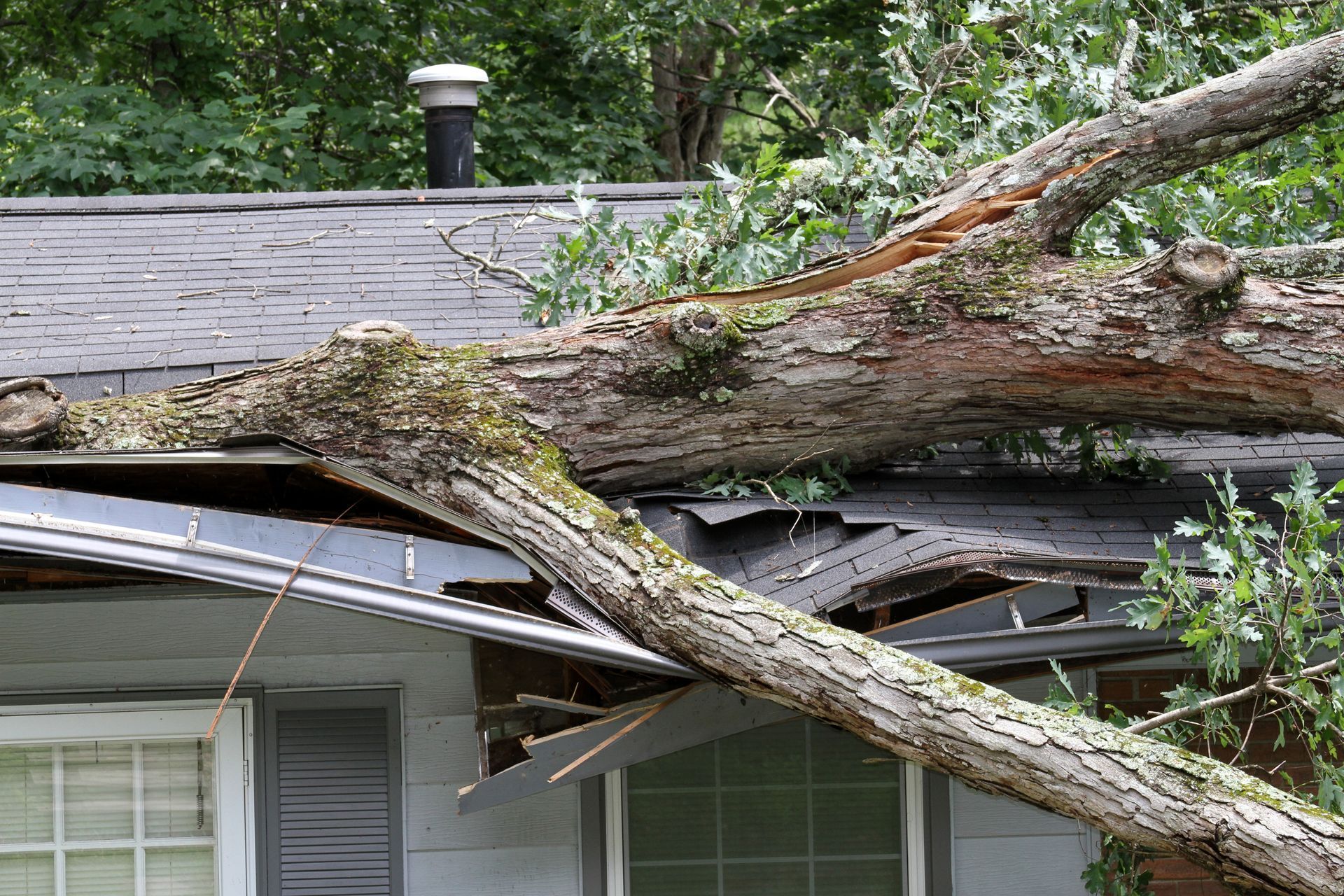
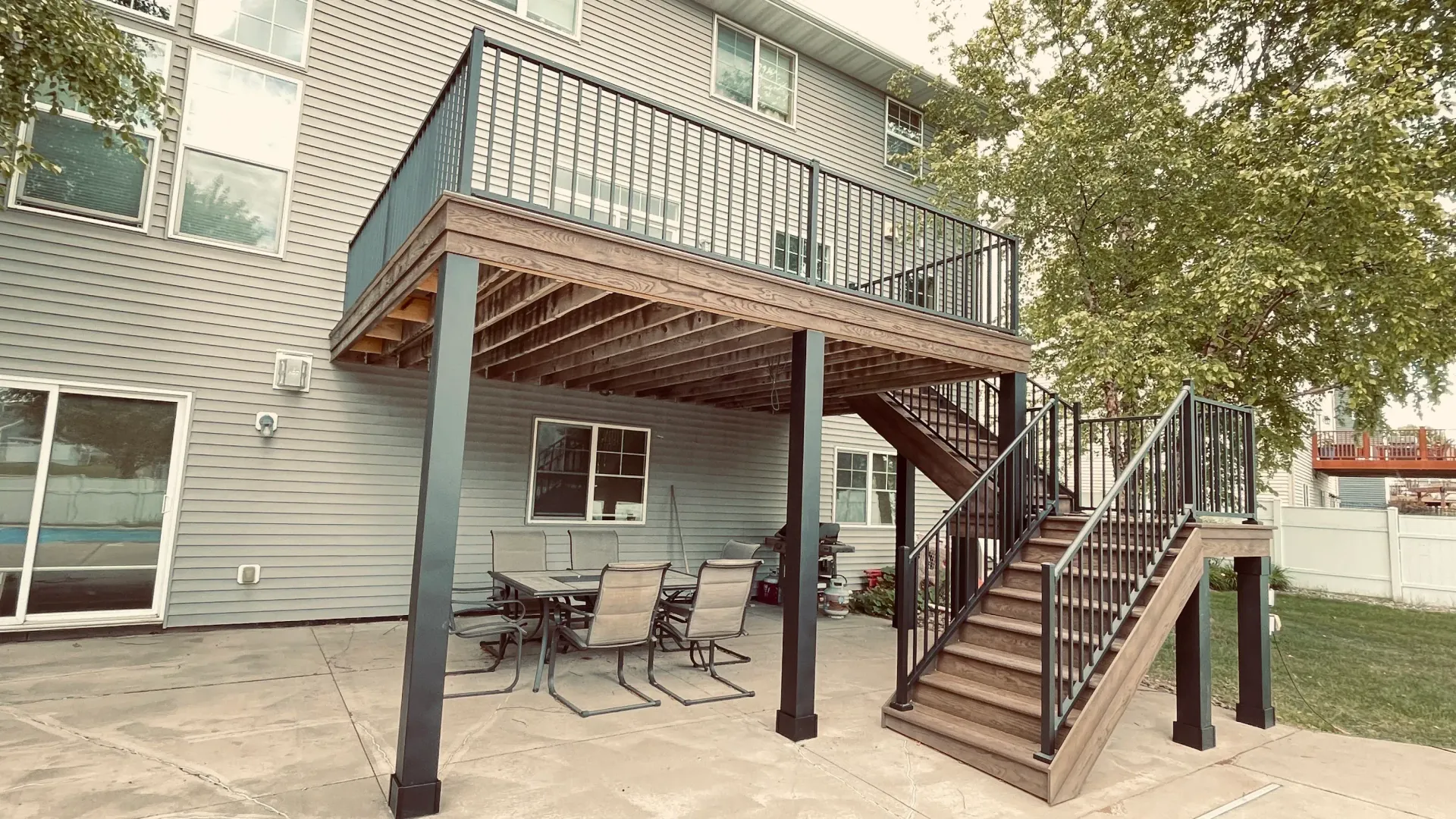
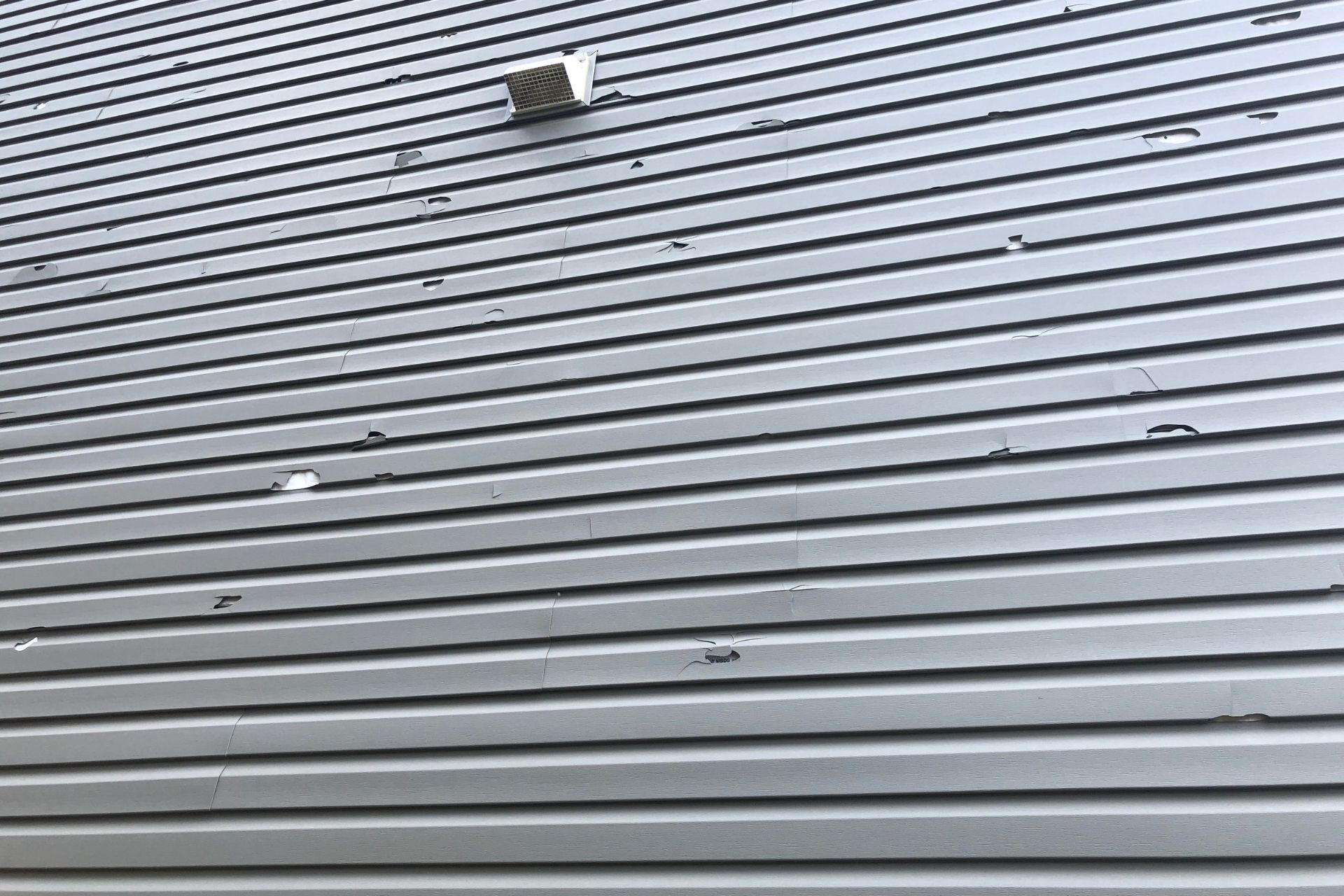
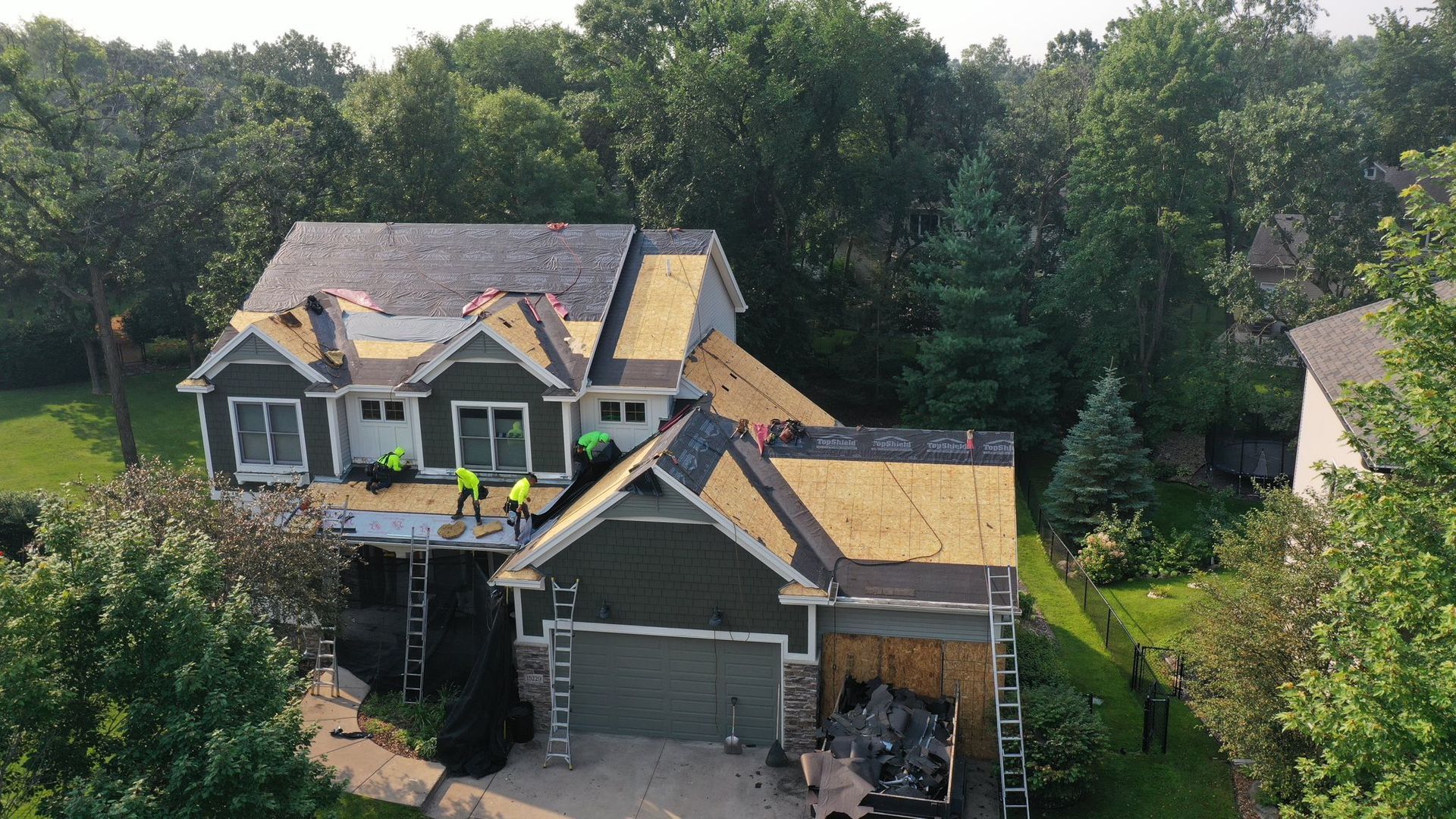
What Hail Damage Looks Like (From the Ground)
You don’t need to climb on your roof to spot early signs.
Look for:
- Dented gutters or downspouts
- Damage to siding or window trim
- Shingle pieces or debris around your home
If you see these, your roof likely took impact too. If damage is found, many homeowners also want to understand
how much a new roof costs in Minnesota before making a decision.
What Most Homeowners Miss
This is where problems usually start.
Not all hail damage:
- Causes immediate leaks
- Looks dramatic
- Is easy to identify
But over time, it can:
- Shorten the lifespan of your roof
- Lead to water intrusion
- Affect insurance claims
How Big Does Hail Need to Be to Cause Damage?
In Minnesota and Western Wisconsin, even moderate storms can cause issues and leave homeowners needing
storm damage repair services.
- 1” hail (quarter-sized): Can damage shingles
- 1.5”+ hail: More consistent impact damage
- 2”+ hail: High likelihood of visible damage
The size, speed, and angle all matter.
How Hail Damage Impacts Your Roof Over Time
Even if you don’t see leaks right away, hail damage can:
- Shorten the lifespan of your roof
- Break down protective layers
- Lead to water intrusion later
Many homeowners don’t notice issues until months later.
When Should You Schedule a Roof Inspection?
You should consider an inspection if:
- Your area had a recent storm
- You see any exterior damage
- Your roof is older
This is especially relevant across:
- Ham Lake and the northwest metro
- South metro communities like Lakeville, Prior Lake, and Shakopee
- Western Wisconsin areas that experienced strong storms
The best next step is to
schedule a professional roof inspection so you know exactly what you’re dealing with.
Why Timing Matters for Insurance
Many homeowners don’t realize insurance claims often have
time limits.
Waiting too long can:
- Complicate your claim
- Make it harder to prove storm-related damage
Before filing a claim, it helps to
understand how roof insurance claims work and what your policy covers.
What a Professional Inspection Actually Looks For
A proper inspection doesn’t just check the surface.
It evaluates:
- Shingle condition
- Flashing and edges
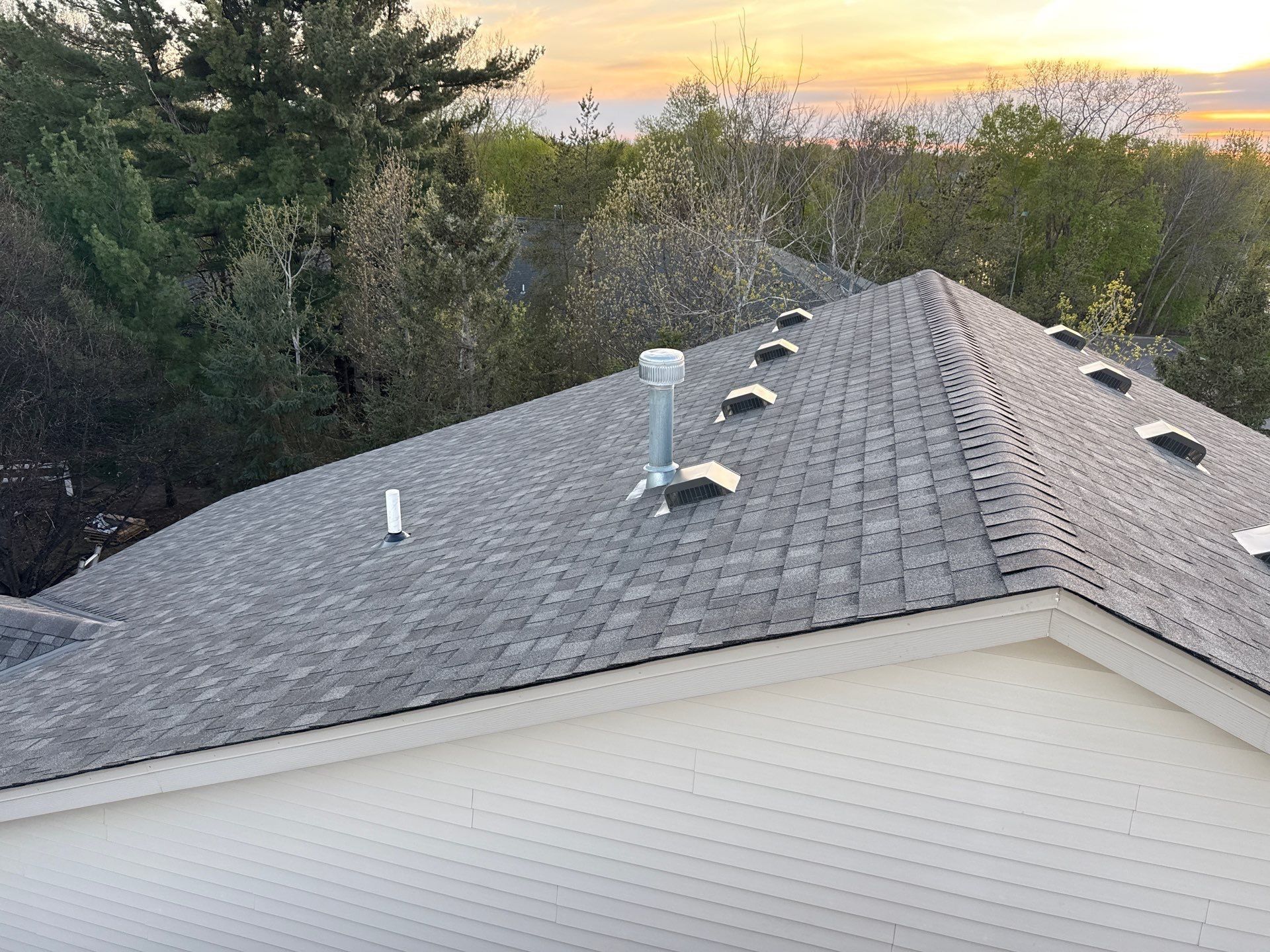
- Ventilation areas
- Signs of hidden damage
Choosing the right contractor matters—here are
questions to ask before hiring a contractor.
Summary
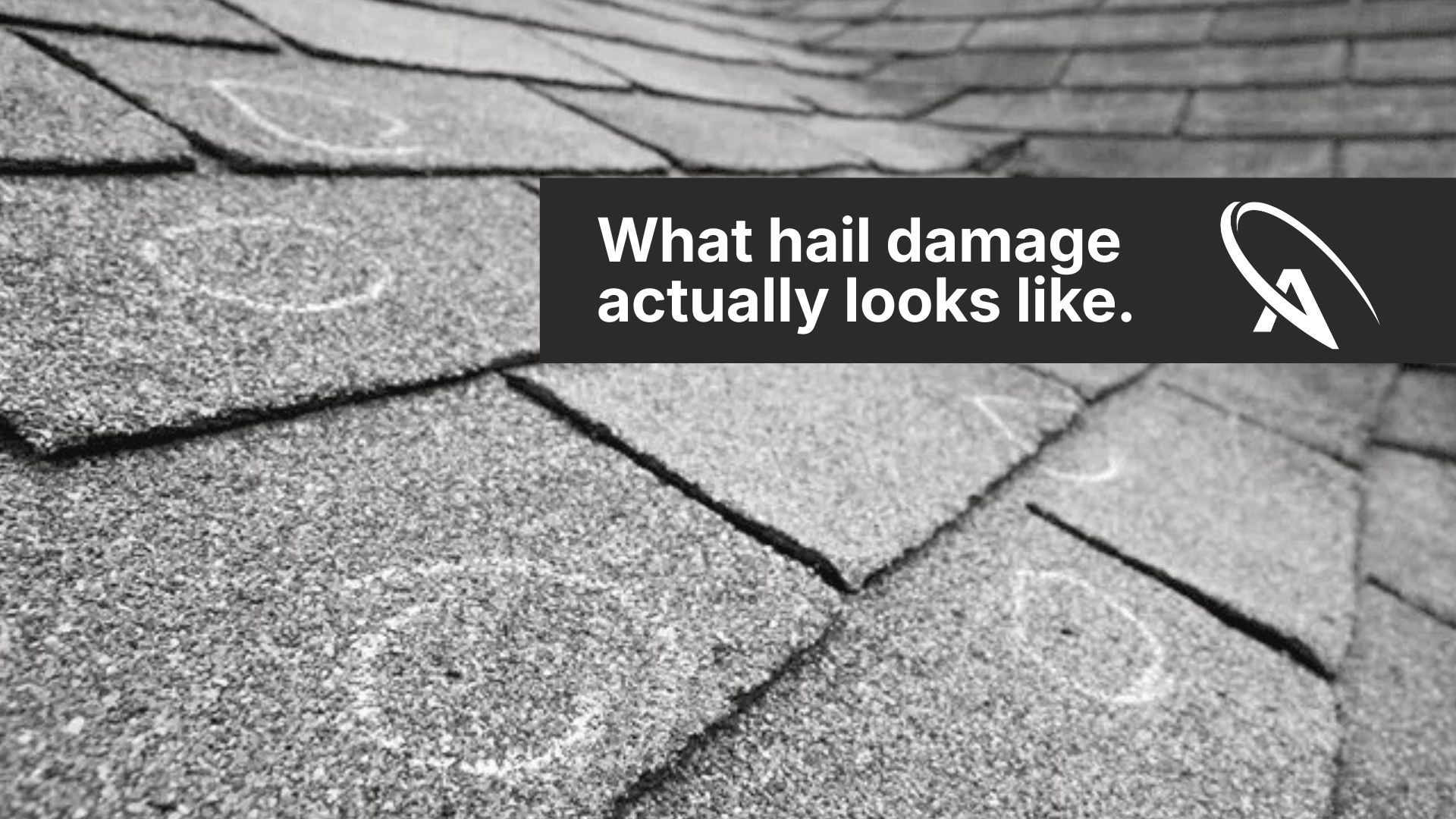
Hail damage can impact a roof without obvious signs like leaks or missing shingles. Common indicators include granule loss, soft spots, and dents on exterior components. Minnesota homeowners should consider a professional inspection after storms to identify hidden damage and protect insurance coverage.
Frequently Asked Questions
How do I know if hail damaged my roof?
Look for dents, granule loss, or impact marks. A professional inspection is the most reliable way to confirm damage.
Can hail damage cause problems later?
Yes. Damage may not show immediately but can lead to leaks and deterioration over time.
Will insurance cover hail damage?
Most policies do, but coverage depends on timing and roof condition.
Should I get an inspection even if I don’t see damage?
Yes. Many issues aren’t visible from the ground.
schedule a professional inspection
If your home was in the path of a recent storm, the best next step is understanding exactly what condition your roof is in. Archway Contracting provides inspections across the Twin Cities, south metro, and Western Wisconsin. Get a professional inspection so you know exactly what your home needs before making any decisions.