
Cheap Roofing Quotes: What You Risk by Going Low
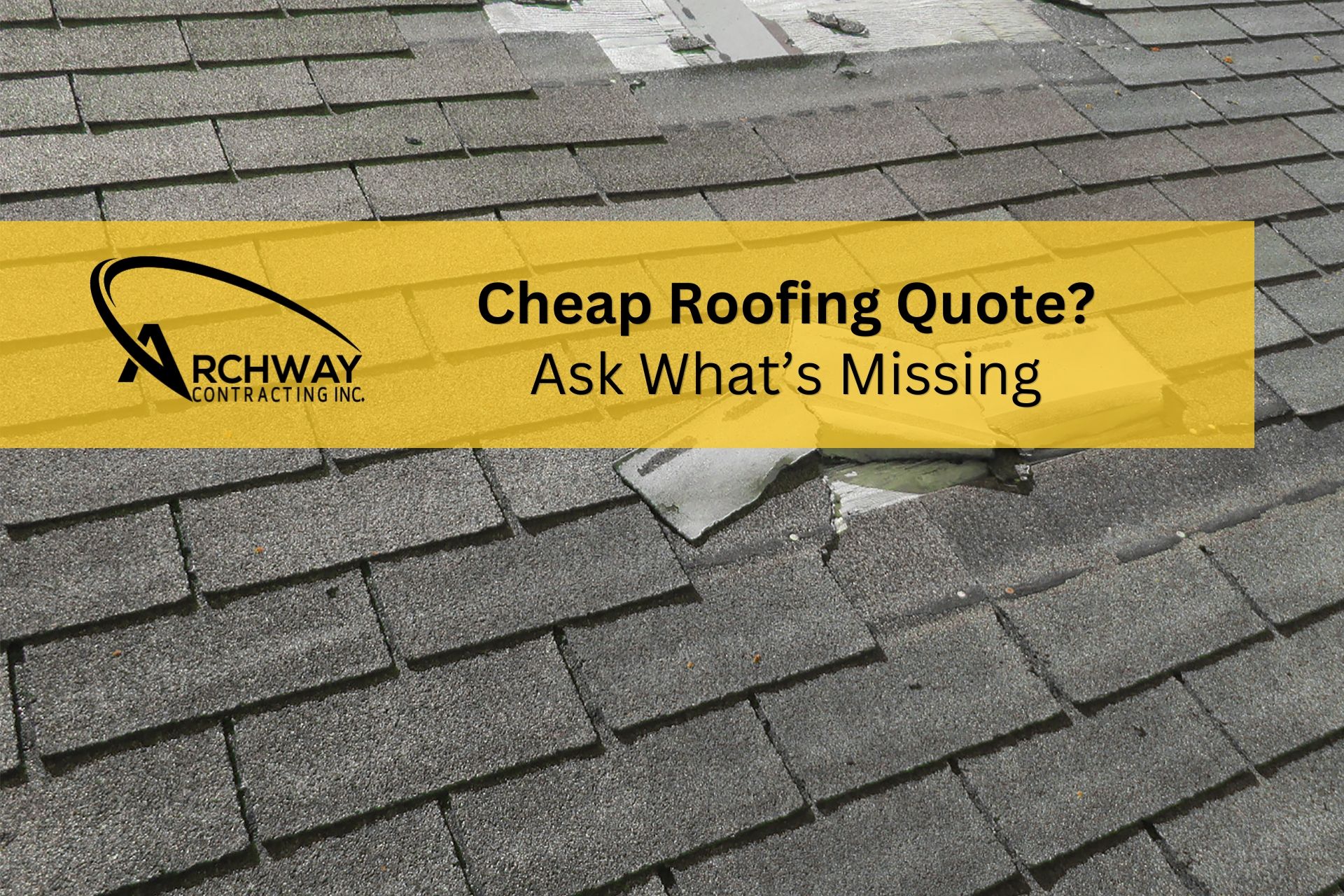
A cheap roofing quote can feel like a relief.
If one contractor comes in thousands of dollars lower than everyone else, it is natural to think: “Why would I pay more if someone else can do it for less?”
But with roofing, the lowest price is not always the best value. Sometimes it means the estimate is missing important materials, skilled labor, warranty-backed installation, project management, cleanup, or storm damage documentation.
In Minnesota, your roof has to stand up to hail damage, high winds, heavy snow, ice dams, freeze-thaw cycles, and sudden temperature swings. A bargain roofing quote may save money upfront, but if the work fails early, leaks, creates ventilation problems, or leaves you without warranty protection, it can cost much more later.
Archway Contracting is based in Ham Lake and serves homeowners, businesses, multifamily properties, and HOA communities across the Twin Cities, including Blaine, Andover, Maple Grove, Lakeville, Prior Lake, Shakopee, Eagan, Owatonna, Faribault, and Western Wisconsin.
If you are comparing roofing quotes, this guide will help you understand what a low bid may be hiding and how to choose long-term protection over short-term savings.
Why the Price Gap Exists, and What It May Be Hiding
When homeowners compare roofing estimates, the price difference can be confusing. One quote may say $12,000. Another may say $18,000. On paper, both may say “roof replacement,” but that does not mean they include the same materials, process, protection, or warranty support. A roof is not just shingles. It is a system.
The price gap usually comes down to:
- Materials
- Labor quality
- Installation details
- Ventilation
- Flashing
- Tear-off and cleanup
- Warranty coverage
- Licensing and insurance
- Project management
- Storm damage documentation
If one quote is much lower than the others, it does not automatically mean it is wrong. But it does mean you should slow down and ask better questions.
What a Cheap Roofing Quote Might Leave Out
A vague estimate is one of the biggest red flags. If you cannot clearly see what is included, you cannot compare quotes fairly. Here are the details that are commonly missing, minimized, or left unclear in cheap roofing bids.
Ice and Water Shield
Ice and water shield helps protect vulnerable areas of the roof from water intrusion, especially near eaves, valleys, roof edges, and areas prone to ice dams. In Minnesota, this matters. Snow, melting, refreezing, and ice buildup can push water into places it should not go. If this protection is missing or limited, your roof may be more vulnerable to leaks during winter and early spring.
Starter Shingles
Starter shingles help protect roof edges and improve wind resistance. Some low bids may not clearly include proper starter materials. Skipping or substituting this detail may not be obvious from the ground, but it can affect how well the roofing system performs during wind and storms.
Drip Edge
Drip edge helps move water away from the roof edge and into the gutters. Without it, water can work its way into fascia, roof decking, or other areas where it can cause damage over time. If the quote does not mention drip edge, ask.
Flashing
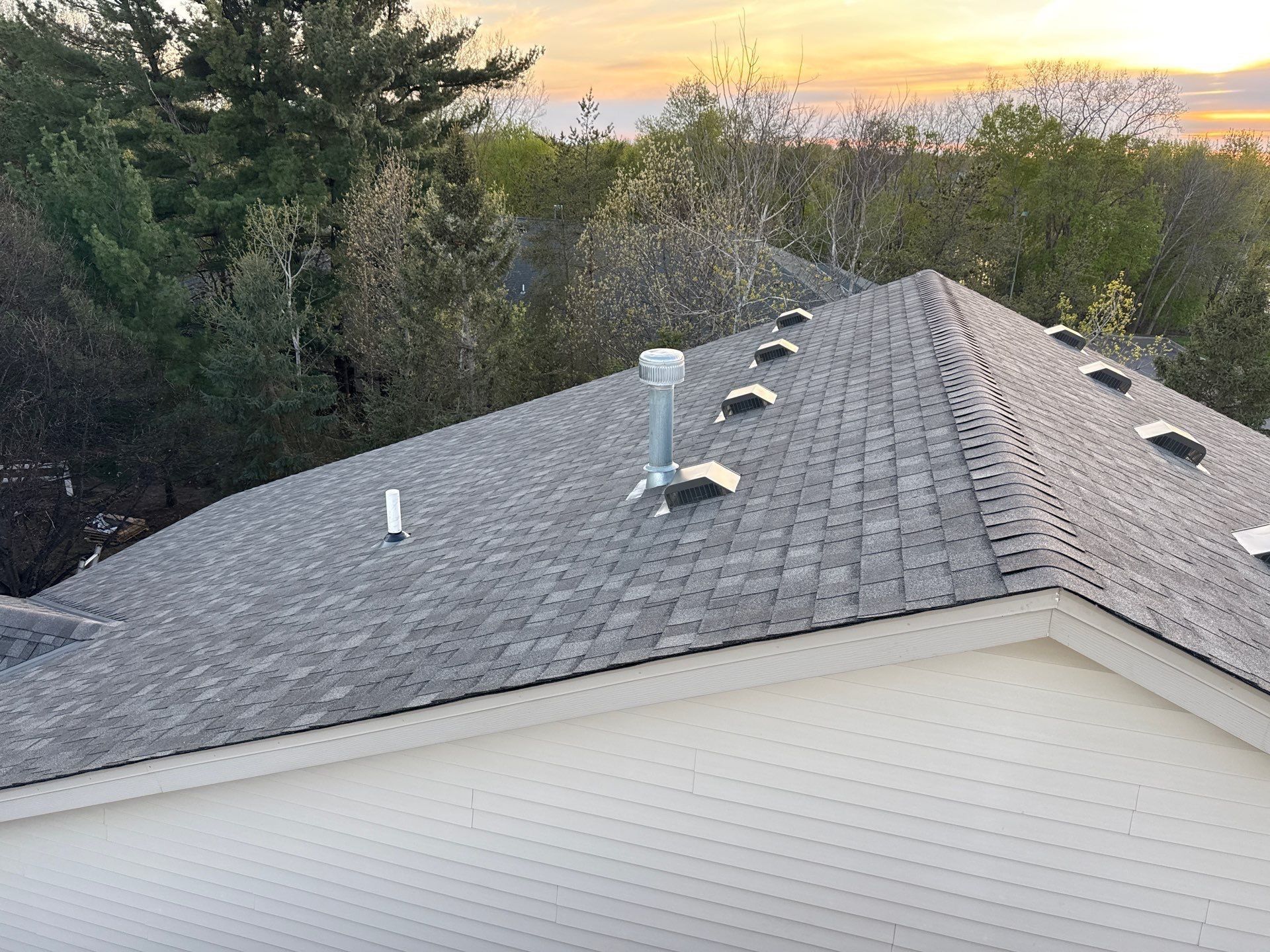
Flashing protects some of the most leak-prone areas of a roof, including:
- Chimneys
- Walls
- Valleys
- Vents
- Skylights
- Roof transitions
Poor flashing is one of the most common reasons roofs leak. A cheap quote may reuse old flashing, skip replacement, or leave the details vague.
Ventilation
Ventilation is one of the most overlooked parts of a roofing estimate.
Poor ventilation can trap heat and moisture in the attic, which may contribute to:
- Ice dams
- Mold or moisture issues
- Shorter shingle life
- Higher energy costs
- Uneven roof aging
If a contractor does not evaluate ventilation, they are not looking at the full roofing system.
Underlayment
Underlayment is the protective layer beneath the shingles.
A low bid may use the cheapest option available or fail to explain what type of underlayment is being installed.
Ask what product is being used and where.
Ridge Cap and Hip Cap Shingles
Ridge cap materials are designed for the peaks and ridges of the roof.
Some low bids may cut standard shingles to use as ridge cap, which may not provide the same performance or warranty support as proper ridge cap products.
Decking Inspection and Repair
Once old shingles are removed, the decking underneath should be inspected. If there is rotted, soft, or damaged decking, it needs to be addressed before the new roof goes on. A low bid may exclude decking repairs or leave them as a vague add-on. That can lead to surprise charges once the project begins.
Permits, Disposal, and Cleanup
A complete roofing estimate should be clear about:
- Permits
- Tear-off
- Dumpster or disposal fees
- Cleanup
- Magnetic nail sweep
- Protection for landscaping and property
- Final walkthrough
If cleanup is not clearly included, ask what happens when the job is done.
Warranty Registration and Workmanship Coverage
There are usually two warranty areas to understand:
- Manufacturer warranty
- Workmanship warranty
A low bid may not include proper product registration, certified installation requirements, or clear workmanship coverage. That matters if something fails later.
Why That Bargain Quote Costs More in the Long Run
A cheap roofing quote can save money today, but roofing problems tend to show up later. And when they do, they are rarely cheap.
A low-quality roofing job can lead to:
- Leaks
- Interior water damage
- Ice dam issues
- Attic moisture
- Mold concerns
- Premature shingle failure
- Repeated repair costs
- Warranty problems
- Insurance claim complications
- Lower buyer confidence when selling the home
The true cost of a roof is not just what you pay on installation day. It is what you pay over the life of the roof.
A Cheap Roof Can Fail Earlier
If materials are downgraded or installation is rushed, the roof may not last as long as expected. That can mean paying for repairs in a few years or replacing the roof much sooner than planned. A roof that costs less upfront but needs major repairs early is not actually cheaper.
Poor Installation Can Create Problems Even With Good Materials
Even high-quality shingles can fail if they are installed incorrectly.
Common installation problems include:
- Incorrect nail placement
- Too many or too few nails
- Poor flashing installation
- Inadequate ventilation
- Improper shingle alignment
- Incomplete sealing
- Reused damaged components
A roof’s performance depends on both the product and the installation.
Cheap Roofing Can Affect Insurance Claims
If your home is later hit by hail or wind, the condition and installation quality of the roof may matter. Insurance typically looks at the cause of damage. Storm damage is different from poor installation, age-related wear, or maintenance issues.
If a roof was not installed correctly, documentation and claim conversations can become more complicated.
That is why proper installation and storm damage documentation matter from the start.
Larger Properties Carry Larger Risks
For commercial buildings, multifamily properties, and HOA communities, a low bid can create even bigger challenges.
- Larger projects often require:
- Resident or tenant communication
- Board or property manager updates
- Phased scheduling
- Material coordination
- Safety planning
- Detailed documentation
- Insurance support
- Clear project management
A contractor who is not organized can create delays, confusion, and added costs. For larger properties, the cheapest quote may create the most risk.
Quality vs. Price: What the Data Actually Shows
The highest quote is not automatically the best quote. But the lowest quote is not automatically the best deal.
The better question is: “What am I getting for this price?”
Roofing quality affects how your home performs during storms, winter weather, heat, moisture, and long-term aging.
The Cost-per-Year Way to Think About Roofing
Here is a simple way to compare value. A roof that costs less upfront but needs major repairs or replacement early may cost more per year than a roof that is installed correctly and lasts longer.
For example:
- A cheaper roof may feel better on day one
- A better-installed roof may provide more value over 15, 20, or 25 years
- Repairs, leaks, warranty issues, and premature replacement can erase the original savings
You are not just buying shingles. You are buying years of protection, fewer surprises, and confidence that your home is covered properly.
Quality Roofing Helps Protect the Whole Exterior
A properly installed roof helps protect more than the attic.
It affects:
- Ceilings
- Insulation
- Decking
- Siding
- Gutters
- Fascia
- Windows
- Interior finishes
- Energy efficiency
- Long-term property value
That is why Archway looks at the full exterior system, especially when storm damage may be involved.
Minnesota Weather Raises the Stakes
A roof in Minnesota has to work hard. Homes in Ham Lake, Blaine, Andover, Maple Grove, Plymouth, Lakeville, Prior Lake, Shakopee, Eagan, Owatonna, Faribault, and Western Wisconsin deal with:
- Hail
- High winds
- Heavy rain
- Snow loads
- Ice dams
- Freeze-thaw cycles
- Large temperature swings
A roofing estimate should account for the climate your home actually faces.
How to Compare Roofing Quotes the Right Way
When comparing roofing estimates, do not just ask: “Which one is cheapest?”
Ask: “Which one is complete?”
A good contractor should not make you feel confused. They should be able to explain what you are paying for, why it matters, and what happens next.
Ask for an Itemized Estimate
Ask each contractor to clearly list:
- Shingle brand and product line
- Underlayment
- Ice and water protection
- Starter shingles
- Drip edge
- Flashing
- Ventilation
- Ridge cap
- Tear-off
- Disposal
- Cleanup
- Decking repair process
- Warranty details
If two estimates do not include the same items, they are not really comparable.
Ask What Is Not Included
This is one of the smartest questions a homeowner can ask.
Ask: “What is not included in this estimate that could increase the final cost?”
This helps uncover hidden fees, exclusions, and assumptions.
Ask Who Will Manage the Project
A roofing project has a lot of moving parts.
Ask: “Who is managing my project day-to-day?”
You should know who your point of contact is, how communication works, and what the process looks like from inspection to completion.
Verify Licensing and Insurance
Before hiring a roofing contractor, ask for:
- Minnesota contractor license information
- General liability insurance
- Workers’ compensation coverage
- Written workmanship warranty
- Manufacturer warranty details
This protects you, your property, and the people working on your home.
Ask How Storm Damage Is Documented
If hail or wind damage may be involved, ask:
- Do you provide storm damage inspections?
- Do you inspect roofing, siding, gutters, windows, decks, and exterior components?
- Do you document damage with photos?
- Do you provide free insurance inspections when storm damage may be involved?
- Can you explain what you found before I decide whether to file a claim?
This matters because storm damage is not always visible from the ground.
Red Flags in a Cheap Roofing Quote
Be cautious if a contractor:
- Gives a vague estimate
- Cannot explain the materials
- Says ventilation does not matter
- Does not mention flashing
- Avoids warranty questions
- Pressures you to sign quickly
- Cannot verify licensing or insurance
- Does not explain cleanup
- Requires a large upfront payment without clear terms
- Gives a quote dramatically lower than every other contractor
A low price should not come with unanswered questions.
Questions to Ask Before Accepting a Roofing Quote
Before you sign, ask:
- What exact shingle product are you installing?
- What underlayment is included?
- Is ice and water shield included? Where?
- Are you replacing or reusing flashing?
- How will ventilation be handled?
- Is drip edge included?
- Is cleanup and disposal included?
- What happens if damaged decking is found?
- What warranties apply?
- Who manages my project from start to finish?
If a contractor cannot answer these clearly, that is a sign to keep looking.
Why Homeowners Choose Archway Contracting
Archway Contracting is a local, family-owned company based in Ham Lake, serving homeowners and property owners across Minnesota and Western Wisconsin.
We provide:
- Roofing
- Siding
- Windows
- Gutters
- Decks
- Storm damage restoration
- Free insurance inspections when storm damage may be involved
Archway is an A+ Accredited business with the Better Business Bureau since 2015, a Top Diamond TAMKO Contractor in the Midwest, a top roofing company in Ham Lake, and offers best-in-industry warranties, including lifetime product options.
But beyond the credentials, homeowners choose Archway because of how we manage the process.
We believe exterior projects should feel clear, organized, and professional from start to finish.
Our team focuses on:
- Inspection-first guidance
- Clear communication
- Detailed estimates
- Defined expectations
- Strong project management
- Quality materials
- Long-term performance
- Support after the project is complete
Whether you are comparing roofing quotes, dealing with storm damage, planning a siding or window project, replacing gutters, building a deck, or managing a commercial, multifamily, or HOA property, our goal is to help you make a confident decision.
At a Glance
Cheap roofing quotes can cost more over time when they leave out important materials, installation details, ventilation, flashing, warranty support, cleanup, project management, licensing, insurance, or storm damage documentation. Homeowners in Minnesota should compare roofing estimates by looking at the full scope of work, not just the price. A strong roofing estimate should clearly explain materials, protective layers, ventilation, flashing, decking repairs, cleanup, warranties, and who manages the project. Archway Contracting is located in Ham Lake, MN and serves the Twin Cities, south metro, southern Minnesota, and Western Wisconsin with roofing, siding, windows, gutters, decks, storm damage restoration, and free insurance inspections when storm damage may be involved.
FREQUENTLY ASKED QUESTIONS
Why is one roofing quote so much cheaper than the others?
One roofing quote may be cheaper because it leaves out important materials, uses lower-grade products, reduces labor time, skips ventilation or flashing details, excludes cleanup, or does not include strong warranty support. Always compare what is included before choosing the lowest price.
What is usually missing from a cheap roofing quote?
Cheap roofing quotes may leave out ice and water shield, starter shingles, drip edge, flashing replacement, ventilation evaluation, ridge cap materials, decking repairs, permits, cleanup, disposal, warranty registration, or storm damage documentation.
Can a cheap roof void my warranty?
It can. Manufacturer warranties often depend on proper installation and approved materials. If the roof is installed incorrectly or required components are skipped, warranty coverage may be limited or denied.
What should I ask before accepting a roofing estimate?
Ask what materials are included, what is excluded, how ventilation and flashing are handled, whether the contractor is licensed and insured, what warranties apply, who manages the project, and what happens if damaged decking is found.
How do I know if a roofing quote is fair?
A fair roofing quote should be detailed, specific, and easy to understand. It should include materials, labor, tear-off, underlayment, ice and water protection, flashing, ventilation, cleanup, warranties, and any possible additional costs.
Schedule aN Inspection Before You Choose
If you are comparing roofing quotes and one estimate seems too good to be true, take time to understand what is included before signing.
Archway Contracting can inspect your roof, explain what your home or property needs, and help you compare quotes with confidence.
Schedule an inspection today and get straightforward answers about your roof, siding, windows, gutters, decks, and storm damage concerns.
Recent Posts